Unanswered questions regarding the January 6, 2021 insurrection
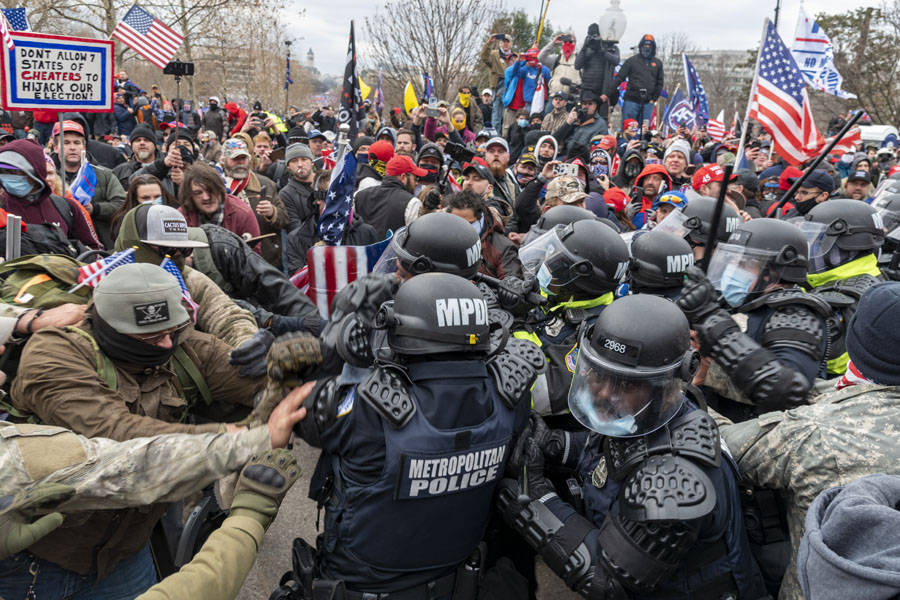
A year has passed since an angry mob of pro Trump supporters, believing that the 2020 election was stolen, stormed the United States Capitol, and broke through a cordon of underprepared and understaffed Capitol Police. For four hours, the mob attacked law enforcement, vandalized the building, its chambers and offices, stole documents, and terrorized members of Congress, staffers, and support personnel who were working there that day.
While former President Donald Trump, selected Republicans and Right Wing news media outlets and pundits have tried to downplay the events of that day, numerous institutions have responded, including Congress that established the Select Committee to Investigate the January 6 Attack on the United States Capitol.
In analyzing and reflecting upon the January 6 insurrection what are some of the most important unanswered questions (and possible solutions for seeking an answer) about this event?
I have eight of them, which I list below from least to most important.
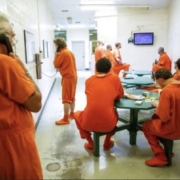
8. What sorts of rehabilitative or deradicalization programs will be instituted in correctional facilities and offered or given to the insurrections who have been sentenced to prison time? Perhaps the Federal Bureau of Prisons can examine what worked or didn’t work in countries like Germany and Italy, that had a relatively recent history of right-wing extremists in their correctional facilities?
7. What kinds of new physical security (e.g., hardening of the target), policies and practices have been initiated in order to prevent a similar breach of the US Capitol in the future? On a related note, why is there a reluctance to design and build a physical barrier around Congress like there is in other countries?
6. What types of reforms have been introduced in the Capitol Police Department? We know that over the last year the former chief resigned and a new Chief has been selected, but news media reports that there is currently a staffing shortage of 400 officers. What efforts are underway to address this loss of personnel? And what sorts of new training have Capitol Police Officers been given over the past year?
5. What short and long term psychological effects have police (and national guard members) who were battling the insurrectionists on January 6th experienced? Yes, we have be treated to a litany of snippets of congressional testimony and interviews by the news media, but a more comprehensive analysis of the trauma that police experienced will be helpful to gauge damage and offer adequate emotional support.
4. What were both the psychological and structural reasons motivating the insurrectionists? Although we have lots of speculations produced by thoughtful people, and National Public Radio and the Chicago Project on Security & Threats, have compiled data bases, it does not appear that we currently have one or more researchers who have compiled a data base that includes more that demographic information on the participants. A more comprehensive data source may have to wait until more individuals are incarcerated and researchers interview a significant portion of them.
3. Why does it appear that so few people who participated in the event have been arrested, charged, and convicted? Is it because the Federal Bureau of Investigation (FBI) (and other co-operating law enforcement agencies) are too slow, understaffed, overwhelmed, incompetent, focused on other important crimes, etc. or is it because the FBI is not able to identify the remaining participants, or is it because the agency is assembling more detailed background information on these individuals, including surveillance, before they initiate an arrest? Are the individuals who have not been arrested etc. more highly skilled than others at operating below the radar? If this is the case why has the FBI not told the public, in general terms, why they have not arrested more people?
2. What evidence is necessary for formal criminal charges to be laid against Republican members of Congress, members of the White House, and the former president in connection with their role in fomenting the violence? Perhaps this will be part of the insurrection commission’s work.
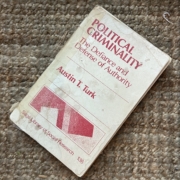
1. Why have none of the insurrectionists been charged with some of the more common political crimes like sedition or treason? Is it because these kinds of crimes are difficult to seek convictions for?
Hopefully, over time these questions will be answered in a satisfactory manner. Inevitably, this process will depend as much upon the resources that are available to researchers, as their respective motivations for engaging in this kind of work.
Photo Credit
Photographer: Blink O’fanaye
Title: Capitol Jan 6

 @ Tony Webster