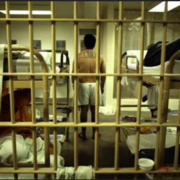

How many correctional systems does it take to install air conditioning?
This crisis, which affects inmates, correctional officers, administrators, and staff, is the result of nonexistent cooling systems, aging HVAC systems, and rising temperatures due to climate change, worsening the situation.
Why is providing adequate air conditioning in correctional institutions important?
Providing adequate air conditioning in correctional facilities offers numerous benefits. Beyond addressing the humane treatment of prisoners and countering negative public perceptions, there is a strong moral and ethical responsibility to ensure inmates’ well-being. Air conditioning prevents heat-related illnesses and improves hygiene, reducing the risk of infections and diseases that thrive in humid conditions. Additionally, cooler environments can mitigate mental health issues, as excessive heat often leads to increased aggression and outbursts, potentially endangering both inmates and correctional officers.
Furthermore, air conditioning contributes to better morale among correctional officers, resulting in reduced turnover and fewer heat-related health problems among staff. Failure to provide adequate air conditioning can also have legal ramifications, potentially leading to lawsuits and legal action against prison authorities.
The Issue at Hand
Despite known issues with excessive heat in state correctional systems, efforts to pass legislation to appropriate funds in state legislatures and assemblies, as well as to install or upgrade air conditioning, often stall. For example:
- Texas: In 2023, despite budget proposals, significant funds specifically for prison air conditioning have faced legislative hurdles. The Texas House allocated $545 million, but the Senate did not follow through.
- North Carolina: Since 2021, the state has allocated $30 million to improve air conditioning in prisons, with ongoing projects aimed at covering more facilities.
- South Dakota: In February 2023, the legislature approved $400 million for new prison construction, including air conditioning, though progress remains unclear.
- Louisiana: The state is using its repair budget to install air conditioning in some prisons. Although legislators have not yet fully funded the project, $550,000 was appropriated to begin planning and engineering work.
- Florida: Proposals have been made to make air conditioning mandatory in all state prison housing units, but funding and implementation remain uncertain.
Barriers to Progress
Three major factors contribute to this ongoing issue:
- Punitive Attitudes: Many legislators, despite recognizing the cruel and unusual conditions, avoid supporting prison air conditioning to minimize appearing soft on crime.
- Political Priorities: Legislatures often prioritize other political agendas, such as banning abortions, expanding gun rights, and reducing welfare, over improving prison conditions.
- Missed Opportunities: The availability of inmates with HVAC expertise, or ones that want to enter this profession upon release, presents a training opportunity that could benefit prison systems and society, yet it remains underutilized.
Call to Action
Although numerous prison conditions fail to protect the health and safety of convicts, it is crucial to address the pressing issue of air conditioning in correctional facilities now. Legislators must prioritize the health and safety of inmates and staff by ensuring proper climate control in correctional facilities.
Adding air conditioning to prisons is not just a matter of comfort—it’s a matter of life and death.
Perhaps it’s time for the federal government to step in?
This might include:
- Drawing attention to the challenge and advocating for change
- Sponsoring research and data dissemination on the lack of air conditioning
- Providing financial incentives and grants
- Passing legislation and regulations
- Challenging the public health problems and lack of safety standards that these situations create, and
- Issuing court orders and legal pressure
The time to act is now.
Photo Credit:
California Department of Corrections
San Quentin Prison -Overcrowding in California State Prison