How to Respond in These Uncertain Times
In the next few days (Tuesday, November 5), the United States faces one of the most consequential elections in its 248-year history.
Should Kamala Harris win, Donald Trump and his MAGA loyalists are unlikely to concede peacefully.
Trump and his Republican supporters have made it clear, and his followers expect him to challenge unfavorable results—not only through litigation, his favored approach, but through various other means too.
If Trump prevails, we face the risk of intensified political and economic instability. Prospects for growth—whether in real estate or business—may feel too risky for many.
Several respected experts and organizations that monitor this sort of thing have predicted a potential downturn, and an environment of heightened volatility could deter both domestic and international investors.
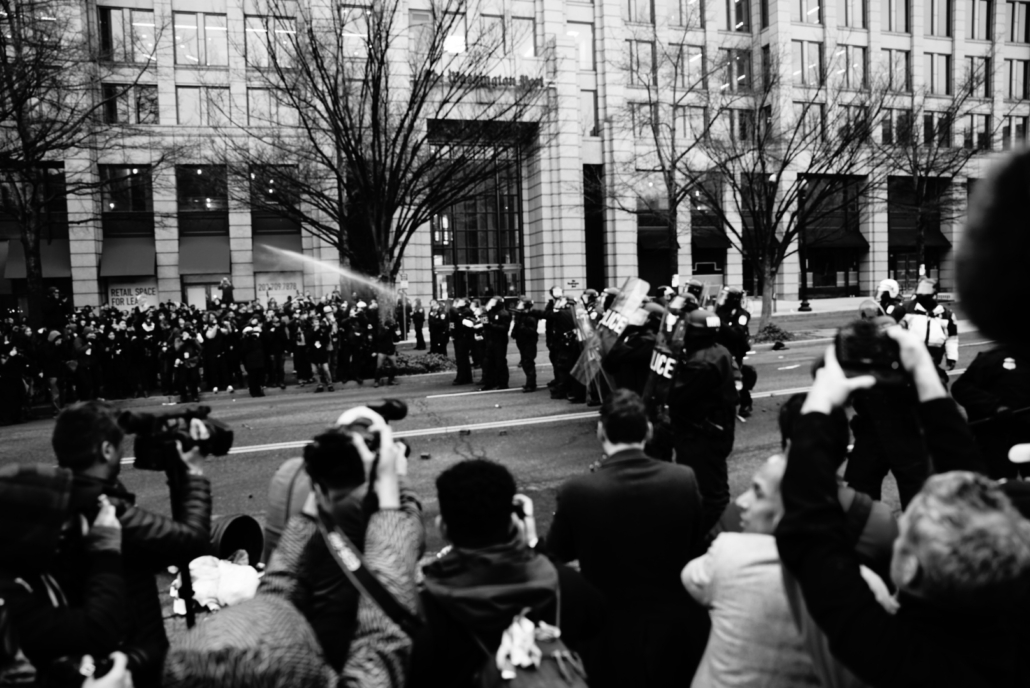
It’s also conceivable that we will see violent protests like those that occurred, during the Trump administration at state capitols in Arizona, Idaho, Michigan, and Oregon with armed protesters attempting to or successfully gaining access. And we may witness one or more large-scale riots like the one that occurred in Washington, DC on January 6, 2021.
The possibility of continued domestic unrest is not simply conjecture. Numerous non-partisan organizations (e.g., FBI and DHS Reports on Domestic Terrorism Threats, University of Maryland’s START findings, Pew Research Center, YouGov, etc. ) have conducted rigorous research pointing to this heightened risk.
The big question: Will law enforcement and military personnel be able to adequately respond to this kind of civil unrest and will they uphold their commitment to the Constitution if tested?
Given this state of affairs, what is the best course of action Americans who wish to live in a peaceful democracy take?
Although these suggestions may sound a little pollyannaish, Americans can take proactive steps to strengthen their communities, support democratic institutions, and foster personal and collective resilience. Here are seven strategies to consider:
- Engage in Informed, Active Citizenship
Prioritize high-quality information from reputable news sources. Check sources before sharing news or acting on it. Engage in democratic processes: show up to vote, volunteer as a poll worker, and participate in community dialogues. Attempt to have constructive conversations with people who hold opinions different than your own, in order to help you to understand their perspectives and to reduce any misunderstandings you or they hold.
- Build Community Resilience
Strengthen connections within your local community. Build and maintain networks of support that can keep people connected, informed, and prepared, reducing vulnerability to radicalization. Prepare for possible temporary disruptions in public services. Stocking up on essentials (e.g., food, etc.) or knowing local emergency contacts is a way to feel more secure. Community-based initiatives—such as neighborhood watches or civic committees—can promote both safety and unity.
Focusing on community safety and nonviolence is another powerful step. Learning peaceful bystander intervention techniques (e.g., the 5 D’s of Bystander Intervention) and participating in community initiatives that promote nonviolence can help deter violence and defuse tense situations if they arise.
- Use Social Media Responsibly
In a climate where misinformation can escalate tensions, be mindful of what you consume and share on social media. Verify sources before reposting or reacting to content.
Promote civil discourse online whenever possible. (Don’t be a troll). Social media algorithms often amplify sensational or divisive content. By choosing to share posts that encourage unity, reason, and thoughtful analysis, individuals can contribute positively to the digital landscape.
- Support Nonpartisan, Community-Based Initiatives
Volunteering in activities that benefit the local community (e.g., helping out at food banks, homeless shelters, cleaning up parks, etc.) can bring people with different political opinions together. Focusing on shared values and needs has the possibility of reducing polarization within communities.
Supporting nonpartisan organizations (with donations of time and money) that prioritize election security, voter rights, and social unity—like the League of Women Voters—also strengthens democratic values across the spectrum.
- Promote Political and Social Accountability
Stay engaged with your political representatives. Don’t be afraid to contact elected officials about your concerns related to voting rights, security, and extremism. Don’t assume that you are being a pain. Citizens need to remind representives of their accountability to their constituents and encourage them to support policies that protect democratic principles and public safety.
Supporting transparent news media and civil rights groups (again with donations), like the ACLU, Center for Public Integrity, ProPublica, Pew Research Center, or SPLC, is another way to maintain accountability. These organizations provide oversight on civil liberties, hate group activity, and government transparency, helping citizens stay informed with reliable information.
- Engage in Individual Resilience Practices
In high-stress times, physical and mental wellness is essential. Stress can cloud judgment and make people more susceptible to sickness, extreme rhetoric and do stupid things. It’s wise to take care of yourself by getting enough sleep, limiting alcohol or recreational drug use, and engaging in physical activity. Manage emotional reactions by taking a break from news media broadcasts and social media. Practice or increase the frequency with which you engage in relaxation techniques such as meditation, yoga, or walks in nature. Go to an art gallery or museum, engage in a hobby or pastime, like cooking.
- De-escalate Local Conflicts
Understanding and practicing de-escalation techniques can help when conflicts arise. Staying calm, actively listening, and keeping a safe distance from people who seem unhinged, and situations that seem out of control, may lessen unnecessary escalation. Familiarizing yourself with local de-escalation resources, like community mediators or violence interrupters can be useful. Contacting law enforcement should be reserved for clear threats or dangerous situations, as it can sometimes make matters worse.
Looking towards the Future
In these uncertain times, these strategies and practices to bolster our communities, safeguard democratic principles, may be the best and only way to rationally navigate the unpredictable political landscape that has been thrust upon us.
Photo Credit:
Photographer John Rushing
Untitled (Police and protesters in Washington DC)