

Latest Blog Posts
About
Criminologist, Scholar, & Consultant

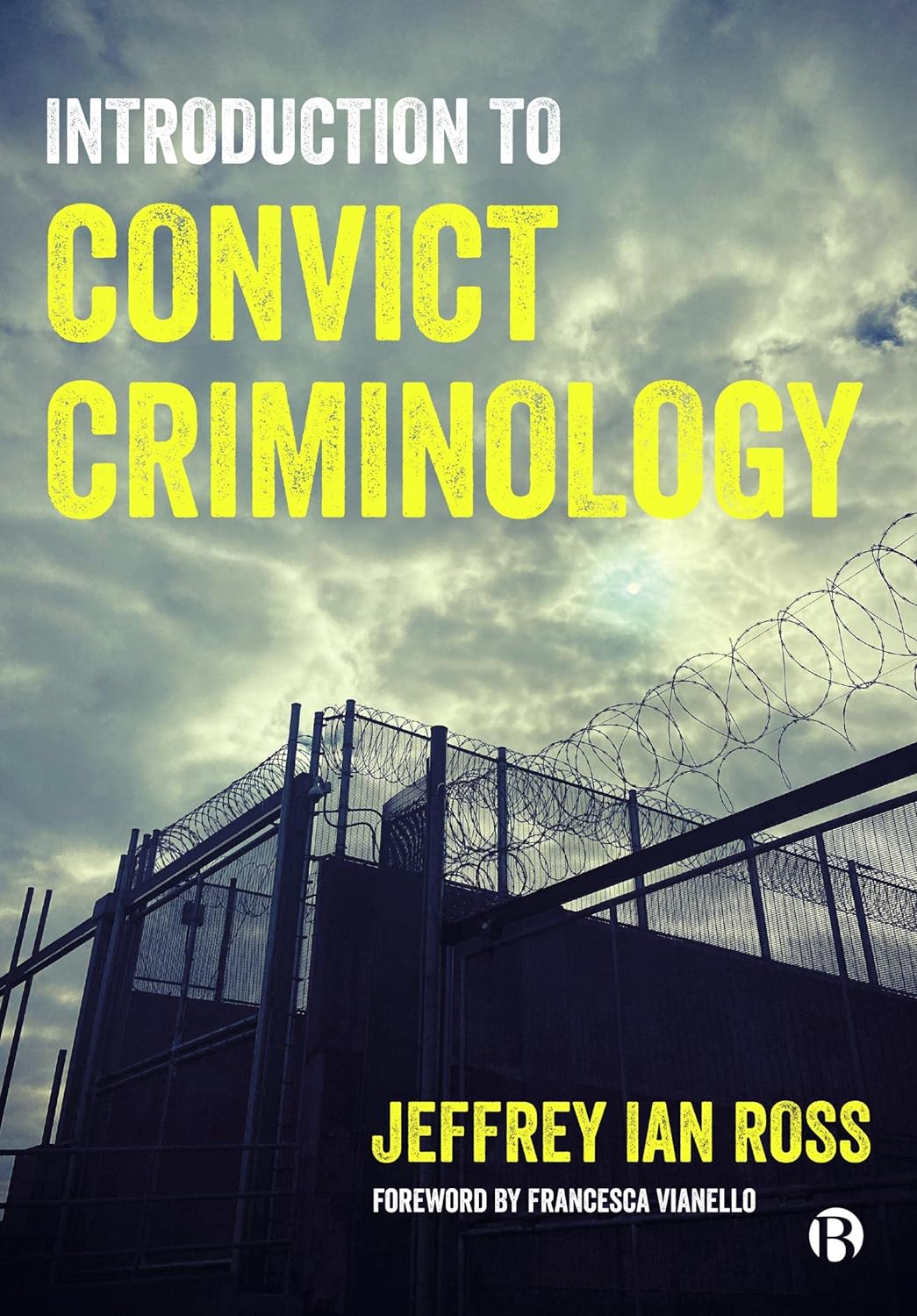
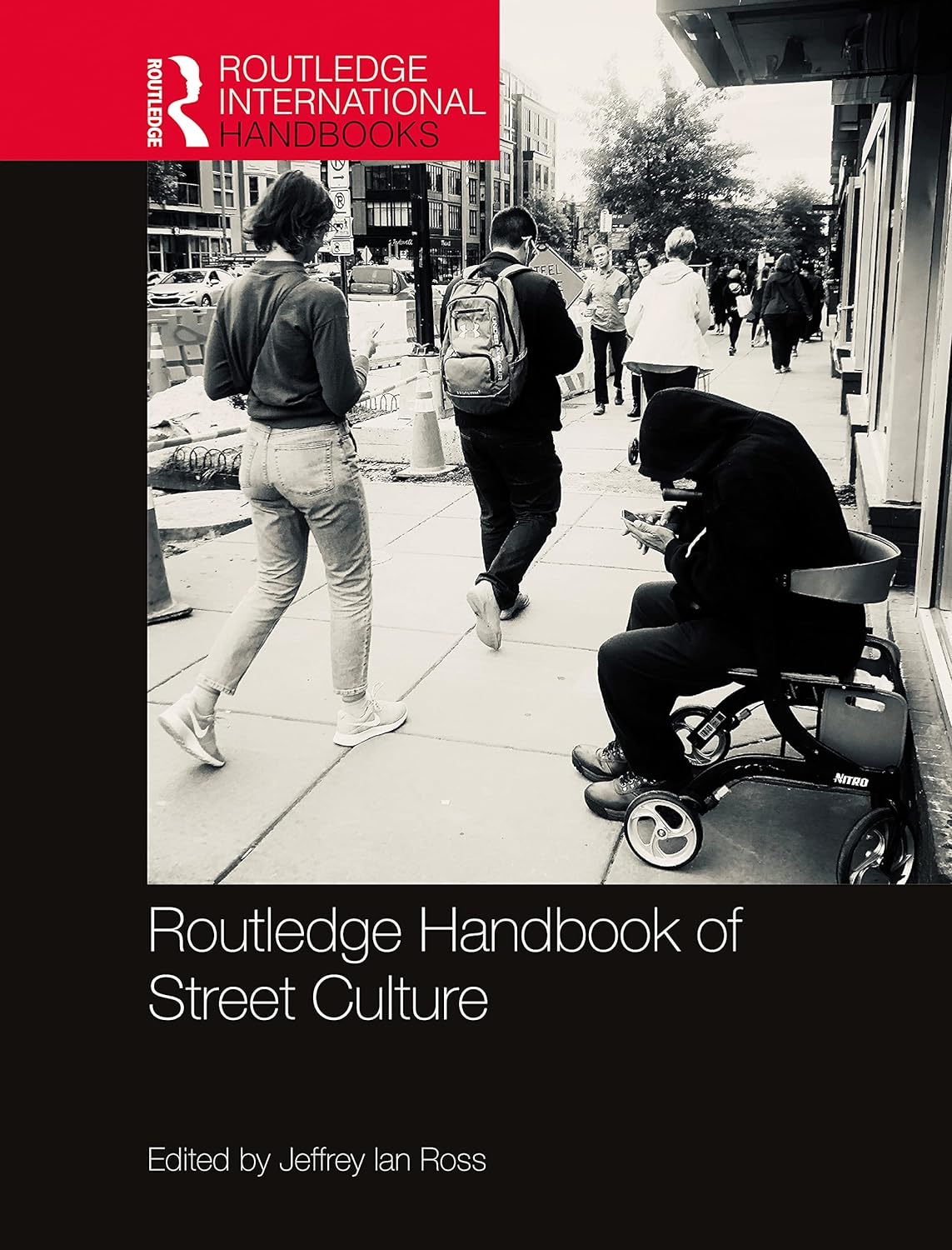
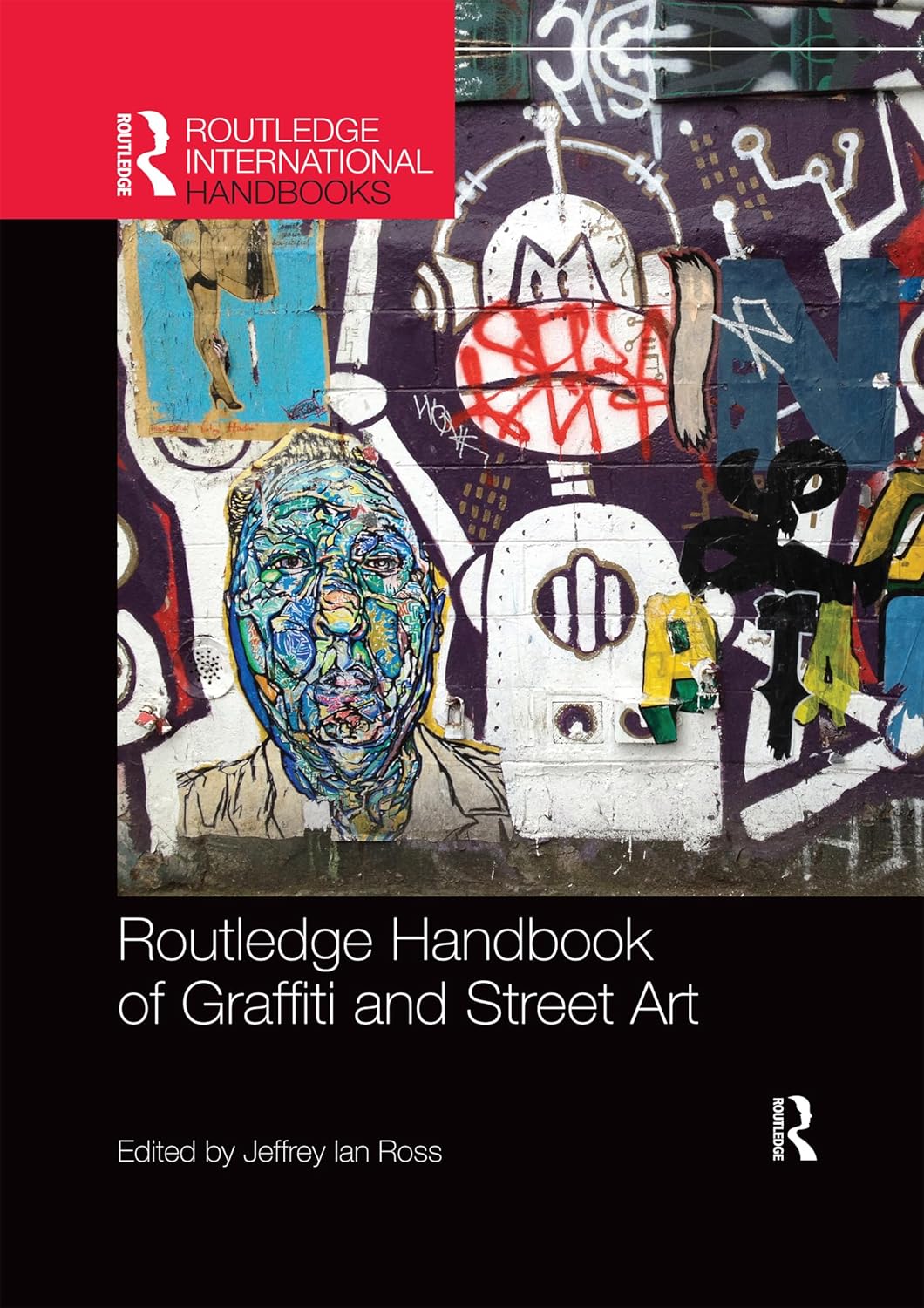
Jeffrey Ian Ross, Ph.D., is a criminologist at the University of Baltimore and co-founder of Convict Criminology. His approach is shaped by nearly a decade of work before entering academia, as a courier, cab driver, corrections worker, and union shop steward. It is further grounded in three decades of visiting correctional facilities across North America, Europe, and South America, researching the conditions inside them, and having conversations with convicts and correctional officers and administrators. It also draws on interviews with formerly incarcerated people outside those facilities, and on ethnographic fieldwork on street culture and on graffiti and street art internationally. Ross has published more than thirty books and shares his expertise on corrections, policing, political crime, street culture, and graffiti and street art through scholarship, public writing, speaking, media commentary, and consulting.



My Students Are Afraid, and They Have Good Reason
/by Jeffrey Ian RossAt my university and at many others across the U.S., students, faculty, and staff are deeply concerned about Trump’s plans to shut down the Department of Education (DOE). During the first few weeks of his second term, Trump signaled his intention to eliminate the DOE, which experts dismissed as unconstitutional and would harm a large […]
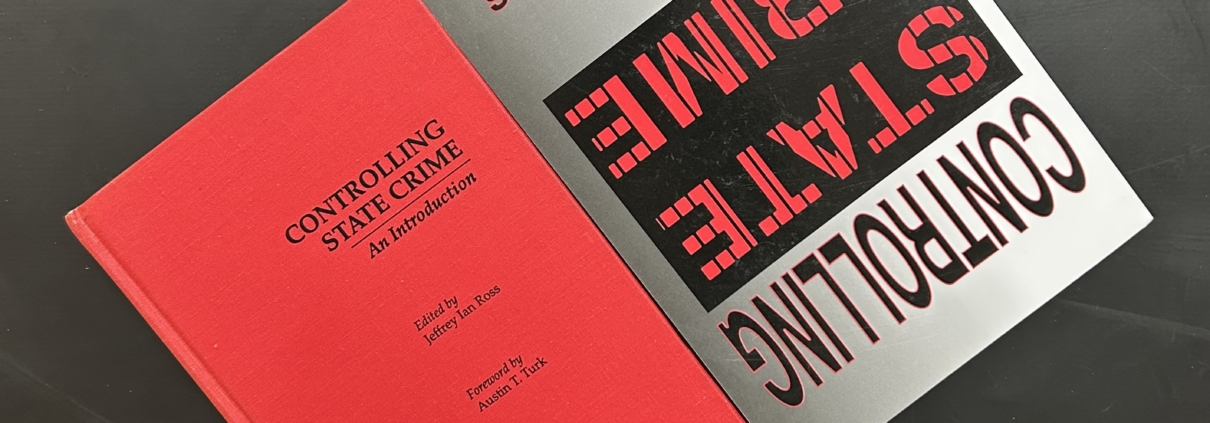
Reflections on the 30th Anniversary of CONTROLLING STATE CRIME
/by Jeffrey Ian RossThree decades ago one of my first books, Controlling State Crime (1995) was published by Garland. This edited volume was, in part, a response to Gregg Barak’s Crimes of the Capitalist State (1991), an edited collection that brought together critical research on state crime. While Barak and his contributors effectively framed key debates on the […]
AI and the Dreaded College Essay
/by Jeffrey Ian RossIn the coming weeks, college students will begin writing their dreaded end-of-semester essays. But the landscape has changed. The rise of free, publicly available Artificial Intelligence (AI) writing tools like ChatGPT and ClaudeAI has transformed how many students do their work. Since these tools became widely accessible, reliance on them has skyrocketed, leaving educational institutions […]