


Latest Blog Posts
About
Criminologist, Scholar, & Consultant

Jeffrey Ian Ross, Ph.D., is a criminologist at the University of Baltimore and co-founder of Convict Criminology. His approach is shaped by nearly a decade of work before entering academia, as a courier, cab driver, corrections worker, and union shop steward. It is further grounded in three decades of visiting correctional facilities across North America, Europe, and South America, researching the conditions inside them, and having conversations with convicts and correctional officers and administrators. It also draws on interviews with formerly incarcerated people outside those facilities, and on ethnographic fieldwork on street culture and on graffiti and street art internationally. Ross has published more than thirty books and shares his expertise on corrections, policing, political crime, street culture, and graffiti and street art through scholarship, public writing, speaking, media commentary, and consulting.



What Happens When Musicians Step Outside Their Genre?
/by Jeffrey Ian RossAcross the arts, new genres continually emerge. Some gain traction and become part of the mainstream, while others disappear after a brief moment of interest. Behind the scenes, some creative people integrate these new forms into their work, while others experiment briefly before returning to more familiar styles. In music, for example, talented musicians are […]
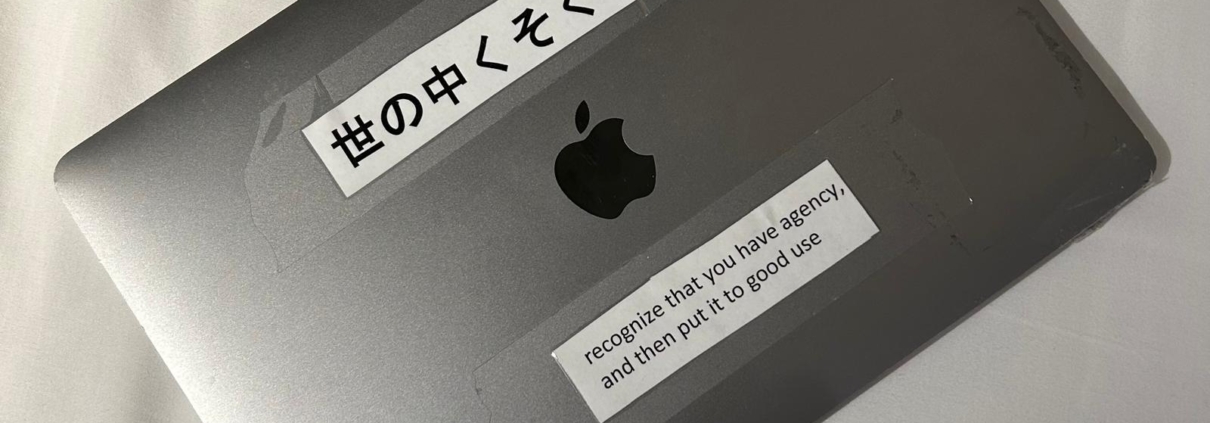
The Semiotics of Laptop Computer Covers
/by Jeffrey Ian RossSince people started using laptops, they’ve put stickers, DIY art, and protective sleeves on them. More than decoration, these additions often reflect identity, belonging, and belief. While individuals may not always think deeply about their choices, every sign, symbol, slogan, or design affixed to a laptop cover tells a story. Laptops as Modern-Day Bumper Stickers […]
My Students Are Afraid, and They Have Good Reason
/by Jeffrey Ian RossAt my university and at many others across the U.S., students, faculty, and staff are deeply concerned about Trump’s plans to shut down the Department of Education (DOE). During the first few weeks of his second term, Trump signaled his intention to eliminate the DOE, which experts dismissed as unconstitutional and would harm a large […]