
The “Hip-ocrisy” of Streetwear
Hip Hop, an influential artistic, cultural, political, and social movement rooted in 1970s street culture, is associated with four key pillars: MCing (rapping), DJing, graffiti, and breakdancing.
Hip hop has also fostered core values and principles that continue to shape its evolution and impact.
These include:
* The promotion of Expression and Authenticity
* Enabling entrepreneurship and Self-Reliance
* Encouraging Creativity and Innovation
* Promoting Community Voice and Unity
* Resistance Against Social and Economic Injustices
* Respect for Oneself, Others, and the Art Form
* Fostering Social Awareness and Activism
One significant achievement of Hip Hop is the development of streetwear, a fashion style blending elements of casual wear, sportswear, and Hip-Hop culture (e.g., baggy jeans, oversized t-shirts, baseball caps, bomber jackets, sneakers, etc.).
Streetwear has transcended the hip hop community, becoming a global fashion trend.
Over the years, streetwear has also diversified in both garment types and target audiences. However, this widespread adoption has highlighted some contradictions between the fundamental values of hip hop and the practices behind streetwear production.
Contradiction in Values
Although some streetwear is manufactured in countries like Turkey, Portugal, and the United States, which have relatively strong labor and environmental laws, a substantial portion of this type of clothing is made in countries such as the Peoples Republic of China, Bangladesh, Vietnam, and India.
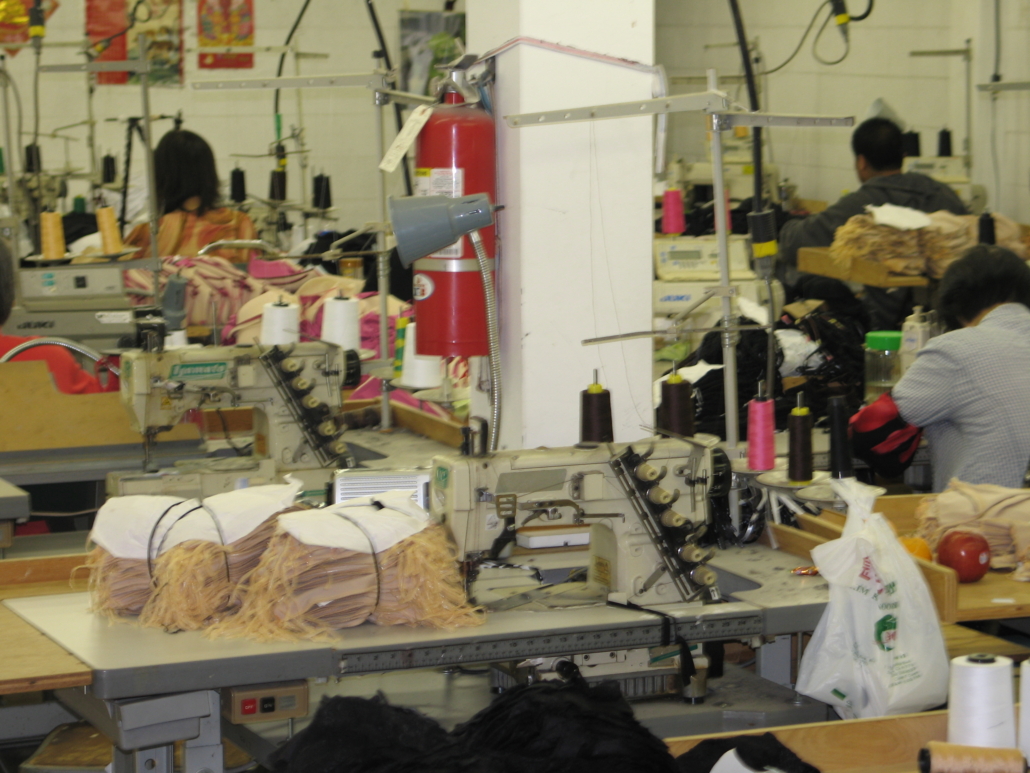
In these countries workers often endure long hours and receive minimal wages. Additionally, enforcement of workers’ rights is generally weak. Although environmental regulations are in place, they are frequently poorly enforced, leading to significant pollution.
The Fast Fashion Dilemma
Some, but not all streetwear can be considered to be fast fashion, characterized by rapidly bringing trendy, affordable clothing to market. But fast fashion contradicts core values of Hip Hop. Fast fashion often depends upon the use of cheap labor, and presents health risks to workers and local environments. Fast fashion also contributes to over consumption and clothing from fast fashion brands is often dumped in countries (typically less developed ones) where waste management regulations are less stringent. These issues starkly contrast with Hip Hop’s values of social awareness and activism.
Call to Conscious Consumerism
Where does this leave us? Similar to checking the ingredients of the food you purchase and eat, the Hip Hop community and aficionados of streetwear need to consider the labor and environmental practices behind their streetwear choices.
They need to question if their fashion choices align with Hip Hop’s focus on social consciousness and activism. This should lead to supporting brands with transparent supply chains, purchasing second-hand items, or prioritizing sustainable materials. By becoming conscious consumers, not only will this support ethical practices and protect the environment but also honor the true spirit of hip hop. ultimately you’re not only what you eat, but what you wear too.
Photographer Bob Doran
Sweat Shop