Questioning my white privilege, African-Americans, and space
Despite my past struggles educationally, professionally, and financially, I’m privileged. It’s not because of my job, where I live, my marital or health status, although these factors don’t hurt; it’s because I am first and foremost a white male.
In part because I am a foreigner, I didn’t grow up here, and in part because I haven’t been subjected to racial discrimination, I never really considered being white to be an advantage for me. Like every other white person in the United States, I hear the rhetoric of equality that are standards that all institutions are supposed to live up to and assume merit at the root of my success. In reality, being white gives me a huge advantage.
Don’t get me wrong- I’m not suggesting that I or anyone else should wallow in liberal guilt, but I am calling for a deeper self-examination of white privilege, both seen and unseen.
When I go into a store, no matter what I wear, or how disheveled I look, the sales clerks and loss protection folks (regardless of what race they are) do not look at me as a potential shop-lifter. This not the experience that an African-American shopper who might be immaculately coiffed, groomed, and dressed has. In 2020, the systemic racism that exists in the United States often tends to be implicit and more subtle than it was two decades ago. The numerous situations where racism may be mediating an interaction are the kinds of things that African-Americans have to continuously pay attention to (or confront) when they are in public space. I can’t imagine, and will never be able to imagine, the amount of daily stress this type of racist scrutiny puts people under. As time goes on, this stress snowballs into innumerable negative outcomes such as poor health, suicide, educational choices, etc.. These toxic and stressful interactions are not relegated to private spaces such as clothing stores, they are also dominant in public spaces such as pools, parks, playgrounds, and privately owned public spaces like shopping malls and plazas.
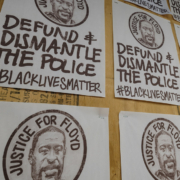
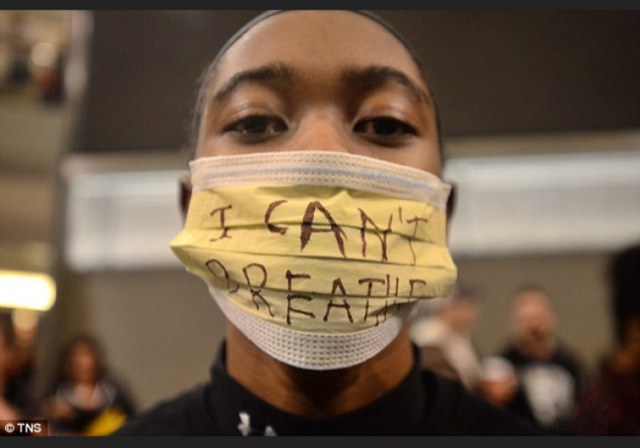
Baring the hourly COVID-19 news updates, this past week has put in to bold relief some of the more damning problems of race relations in the United States. From the Amy Cooper Central Park story, to the Louisville no-knock raid that resulted in the death of Breonna Taylor, to the murder of George Floyd at the hands of white police officers in Minneapolis, African Americans in our society are seen as less than second class citizens.
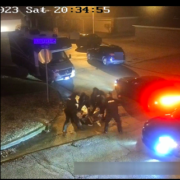
Unfortunately, the racist incidents that occurred in the past few weeks are not new. They are on a continuum of oppression and racism of 400 years of history. What is new is the mechanisms for capturing this immoral behavior. We now have access to smart phone videos of these kinds of interactions and within minutes, and from multiple angles, we can learn about these brutal acts in real time.
The audio and visual information shared on social media is critical in drawing attention to the multiple instances of egregious acts of racism, but it is not enough. We need a formal and informal national conversation on race and white privilege. I have my doubts that this is going to take place anytime soon under the current president that has incited underlining hatred. Perhaps when a new administration is in power we purposively address this challenge. This can be similar to the gut wrenching Truth and Reconciliation Commission that countries like Argentina, Rwanda and South Africa, went through. (By last count there have been close to 45 of these throughout the world). These are imperfect solutions, but it will also be a place to start to critically examine, draw attention to, and possibly heal some the most abject and longstanding problems or race-relations dogging the United States.
While we wait to get leaders who can guide us, we can all do our part via informal conversations. If you see a racist act, call it out. Educate yourself about the inequities in your own community. Engage in self-reflection about y our own values, beliefs, and implicit bias. Learn about the ways that other communities contribute to our society,
There are also numerous anti-racist reading lists you can consult, and encourage people in your network (i.e., family members, friends, neighbors, colleagues, and students) to read. You can also consider donating your time or money to anti-racist organizations, and voting in candidates who not only profess a desire to improve race relations, but have a track record of doing so.