


Latest Blog Posts
About
Criminologist, Scholar, & Consultant

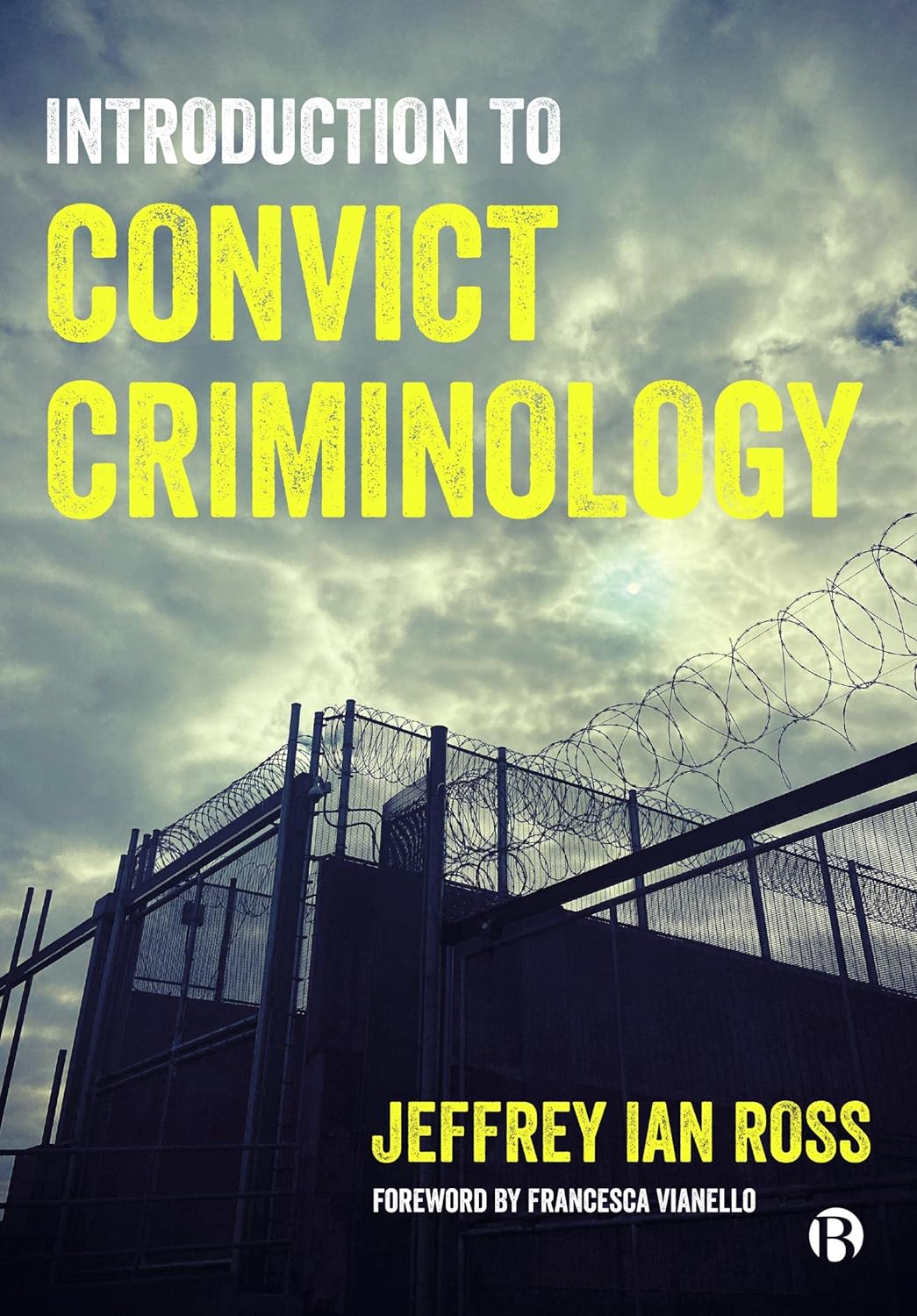
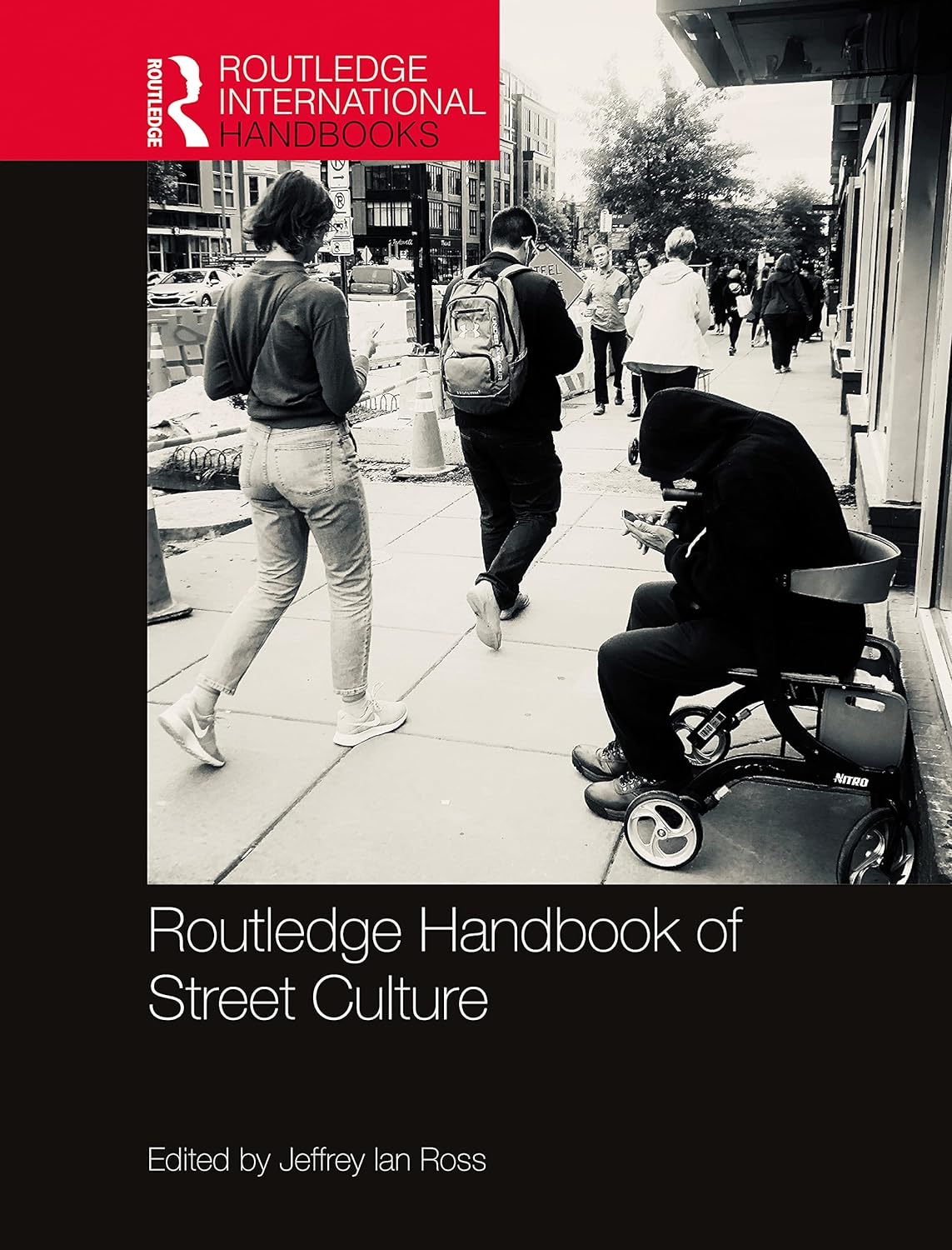
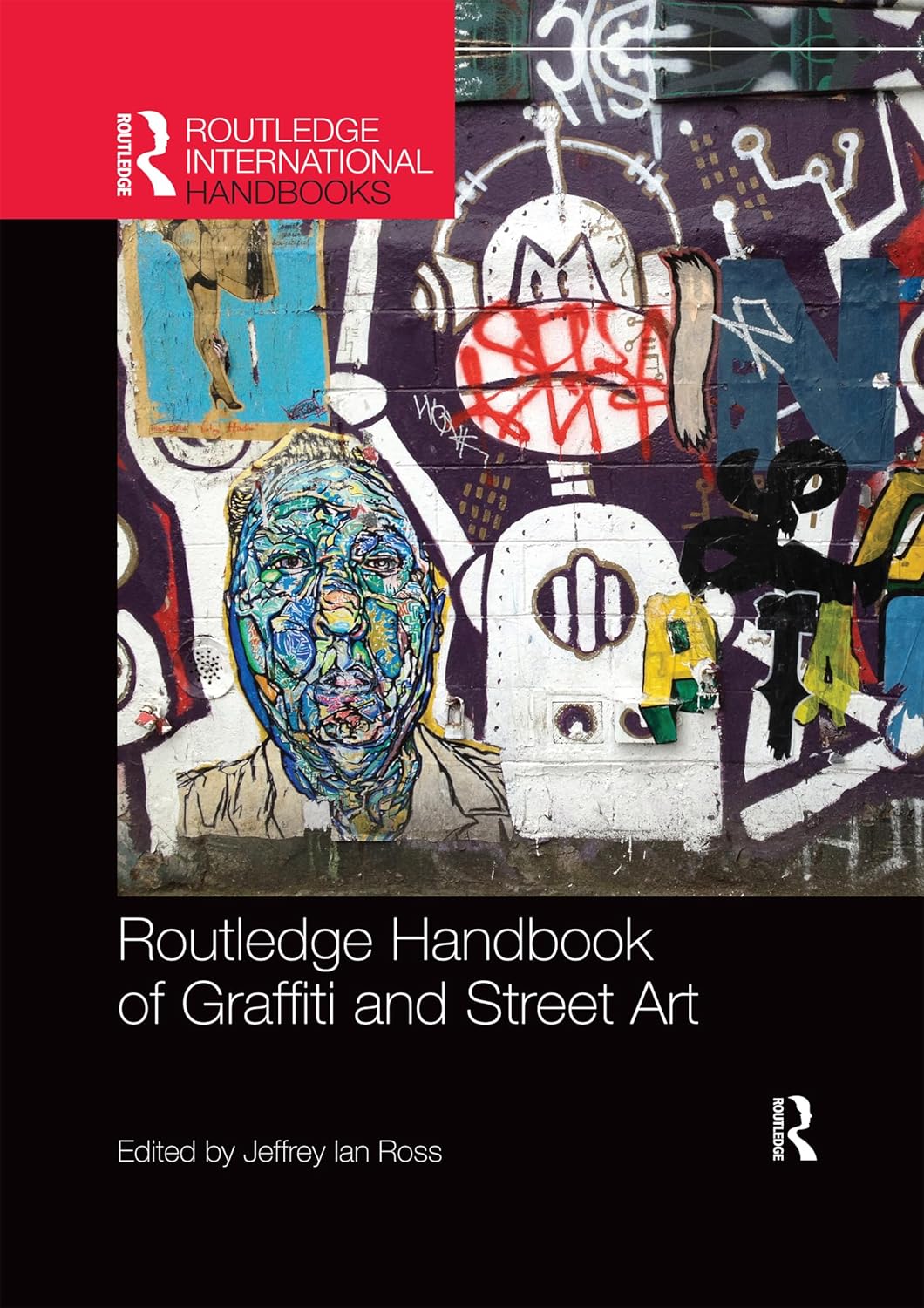
Jeffrey Ian Ross, Ph.D., is a criminologist at the University of Baltimore and co-founder of Convict Criminology. His approach is shaped by nearly a decade of work before entering academia, as a courier, cab driver, corrections worker, and union shop steward. It is further grounded in three decades of visiting correctional facilities across North America, Europe, and South America, researching the conditions inside them, and having conversations with convicts and correctional officers and administrators. It also draws on interviews with formerly incarcerated people outside those facilities, and on ethnographic fieldwork on street culture and on graffiti and street art internationally. Ross has published more than thirty books and shares his expertise on corrections, policing, political crime, street culture, and graffiti and street art through scholarship, public writing, speaking, media commentary, and consulting.




Blog posts I share with my incoming undergraduate criminology/criminal justice students
/by Jeffrey Ian RossAs the new semester begins, I often struggle with selecting content that I want my undergraduate criminology/criminal justice students to read. In addition to a core textbook and a handful of articles and book chapters, I share five blog posts with them. The first one, “What do gym memberships and higher education have in common?” […]
Quitting Academia: Is the grass really greener on the other side?
/by Jeffrey Ian RossThe COVID-19 pandemic tested (and continues to exert an impact on) numerous aspects of daily life. Nowhere has this been more profound than with lots of peoples’ relationship with their jobs, work, and careers. Many individuals discovered how much their work cared about them and vice versa. Some workers struggled and prevailed. They were able […]
Understanding scholarly research agendas
/by Jeffrey Ian RossAspiring scholars are often advised and sometimes required to develop and provide a research agenda. This written document is supposed to review and summarize a well thought out idea about the kinds of research an individual scholar performs, how they go about doing it, the question/s they answer (or want to answer), and why it’s […]