


Latest Blog Posts
About
Criminologist, Scholar, & Consultant

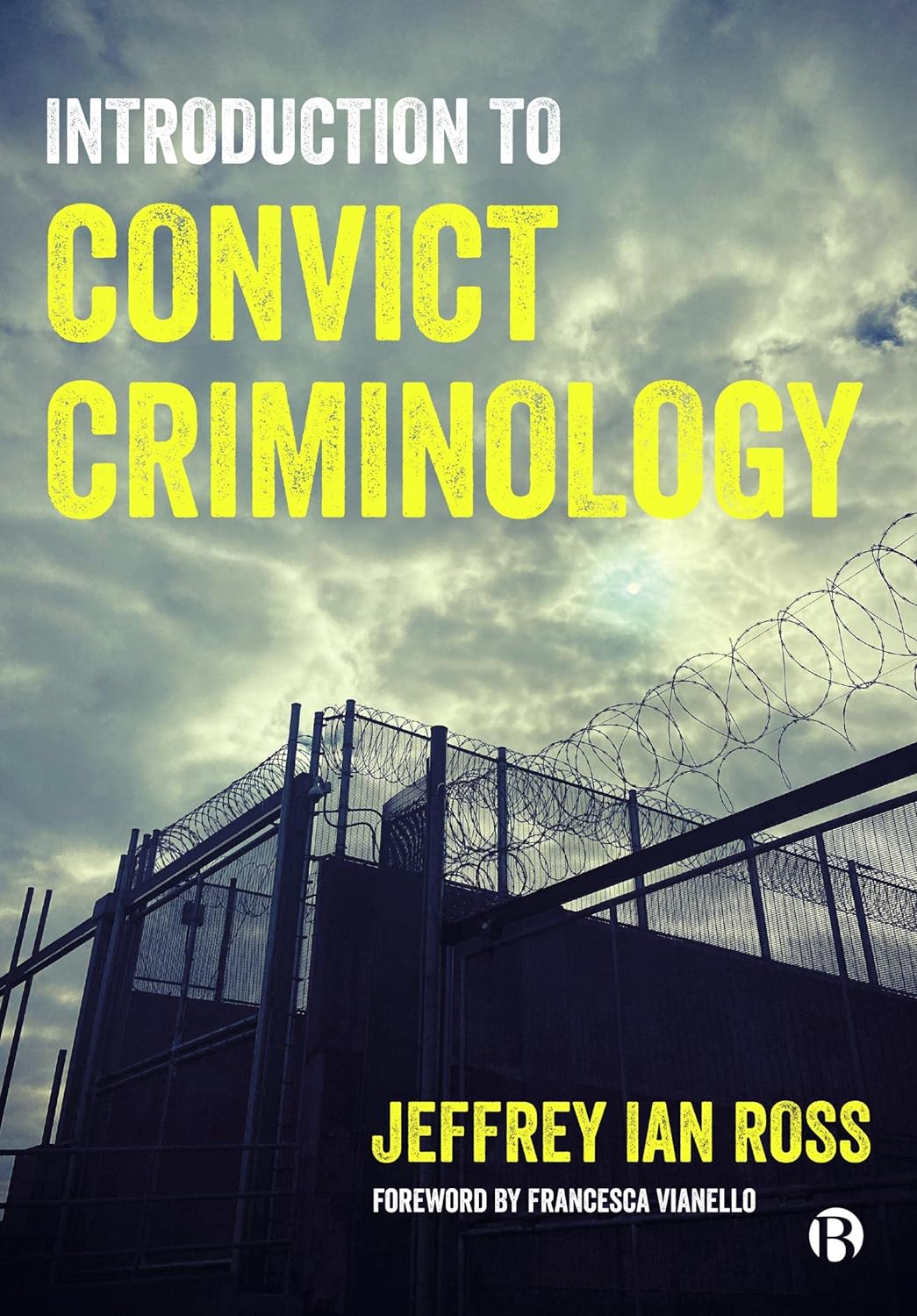
Jeffrey Ian Ross, Ph.D., is a criminologist at the University of Baltimore and co-founder of Convict Criminology. His approach is shaped by nearly a decade of work before entering academia, as a courier, cab driver, corrections worker, and union shop steward. It is further grounded in three decades of visiting correctional facilities across North America, Europe, and South America, researching the conditions inside them, and having conversations with convicts and correctional officers and administrators. It also draws on interviews with formerly incarcerated people outside those facilities, and on ethnographic fieldwork on street culture and on graffiti and street art internationally. Ross has published more than thirty books and shares his expertise on corrections, policing, political crime, street culture, and graffiti and street art through scholarship, public writing, speaking, media commentary, and consulting.




Meet markets? Questioning the utility of large scale annual academic conferences
/by Jeffrey Ian RossOver the past few decades attending large annual academic conferences has lost its appeal to many scholars and graduate students alike. Participants frequently complain that these meetings are: • too expensive, • crowded, and • artificial environments (e.g., almost everyone is on their best behavior). On top of this, many attendees have difficulties with the […]
Undergrads need to know the difference between expressing facts versus opinions
/by Jeffrey Ian RossUniversity instructors and students usually have contrasting expectations of each other. One of the most dominant concerns the respective roles and differences between facts versus opinions. Some students, (and sometimes instructors and administrators too) assume that university instruction should primarily be the transmission of facts and ideas, and dislike it when their instructors offer their […]
Why do some cities appear to have more graffiti and street art than others?
/by Jeffrey Ian RossCities and urban locations vary not only on their size, topography, the people who live, work, and visit there, the kinds of businesses they support, but on the types of structures that are built to enable the activities that occur in these locales. Most cities and urban locations also have considerable diversity in the types […]