


Latest Blog Posts
About
Criminologist, Scholar, & Consultant
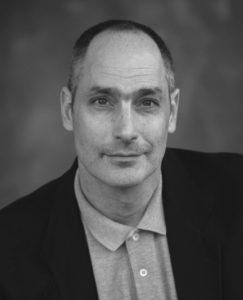
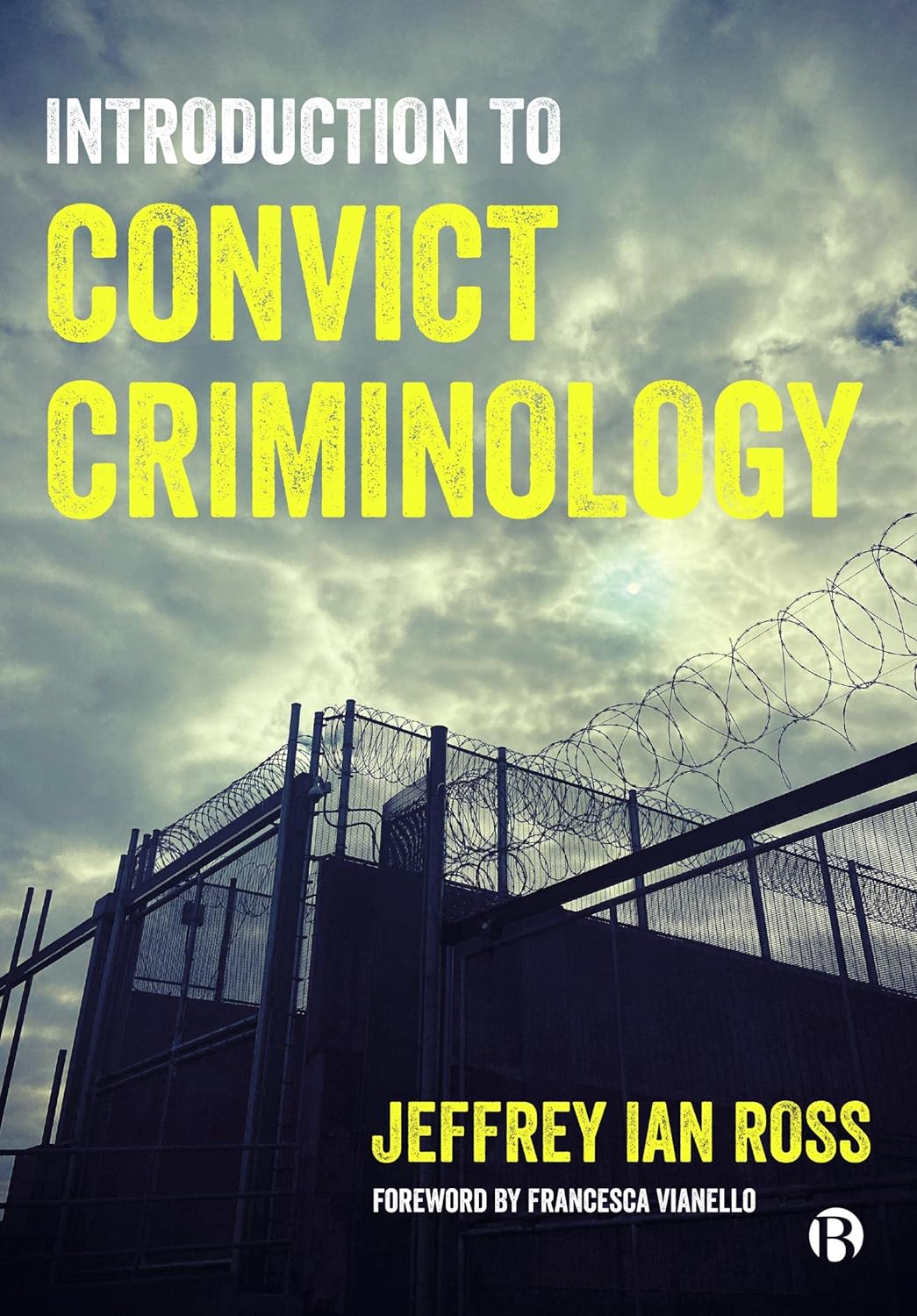
Jeffrey Ian Ross, Ph.D., is a criminologist at the University of Baltimore and co-founder of Convict Criminology. His approach is shaped by nearly a decade of work before entering academia, as a courier, cab driver, corrections worker, and union shop steward. It is further grounded in three decades of visiting correctional facilities across North America, Europe, and South America, researching the conditions inside them, and having conversations with convicts and correctional officers and administrators. It also draws on interviews with formerly incarcerated people outside those facilities, and on ethnographic fieldwork on street culture and on graffiti and street art internationally. Ross has published more than thirty books and shares his expertise on corrections, policing, political crime, street culture, and graffiti and street art through scholarship, public writing, speaking, media commentary, and consulting.




Trump, his alleged co-conspirators, and our fascination with Mugshots
/by Jeffrey Ian RossOver the past few weeks many people and entities seemed to obsess over the release of former president Donald Trump’s mugshot in connection with his indictment and forthcoming arrest, in connection with charges that the engaged in election fraud, by the Fulton County District Attorney’s (DA) office. The focus on the highly anticipated mugshot, unleashed […]
Distinguishing between vacations and adventures
/by Jeffrey Ian RossThis summer many people took breaks from their regular routines, hoping to spend their time on a range of activities from relaxing vacations to thrilling adventures. But for many individuals, their experiences did not match what they expected and they ended up frustrated and disappointed. More than likely, part of the reason why this occurs […]
My top recommended nonfiction books in the field of corrections in the United States
/by Jeffrey Ian RossAmong authors, publishers, purchasers, and readers, books serve different purposes. Moreover, the opinions about the goals of this important means of communication has changed over time. But in my opinion a good nonfiction book should be timeless. In other words, the information that a monograph that fits this category provides should be as relevant when […]