

Latest Blog Posts
About
Criminologist, Scholar, & Consultant

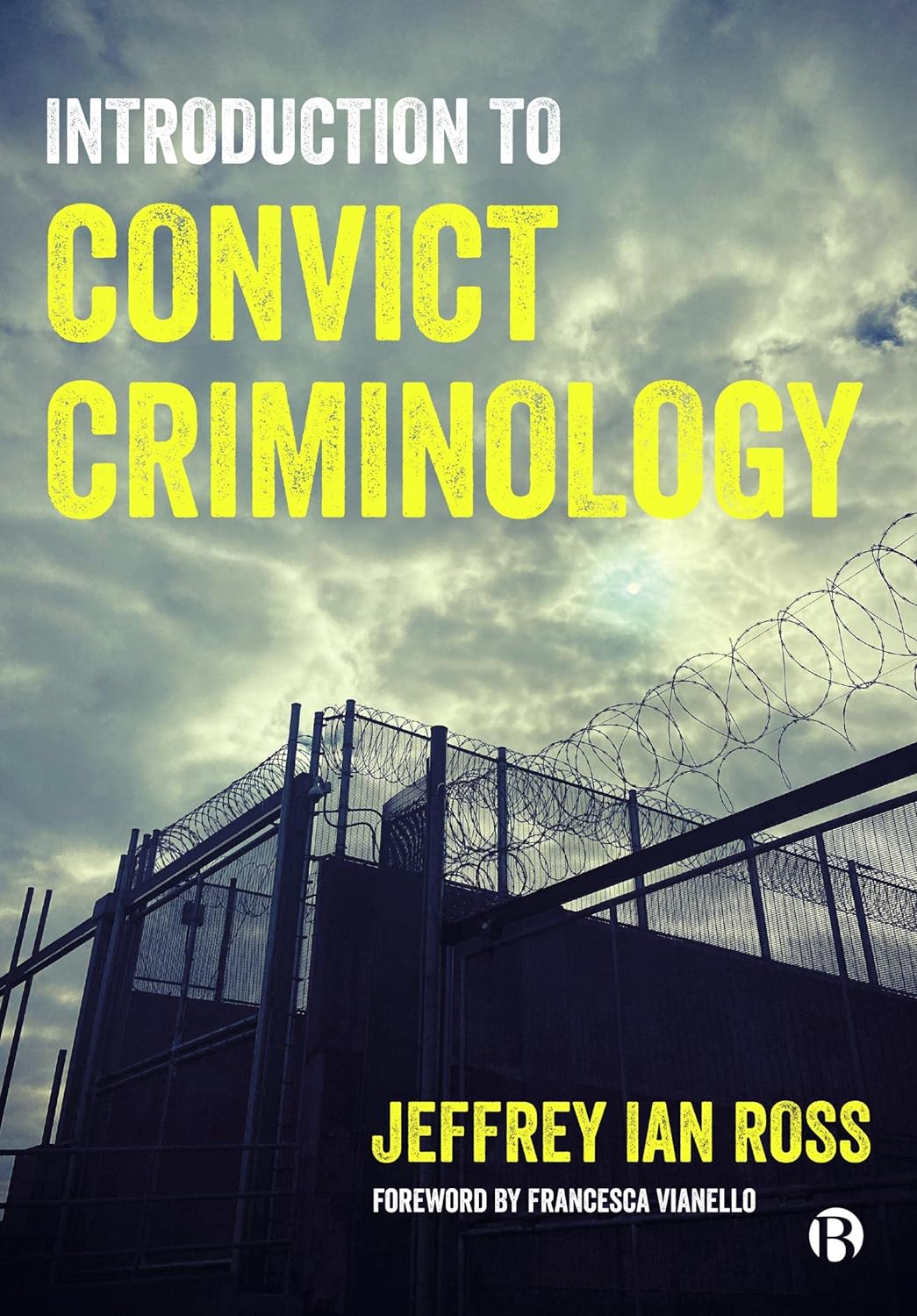
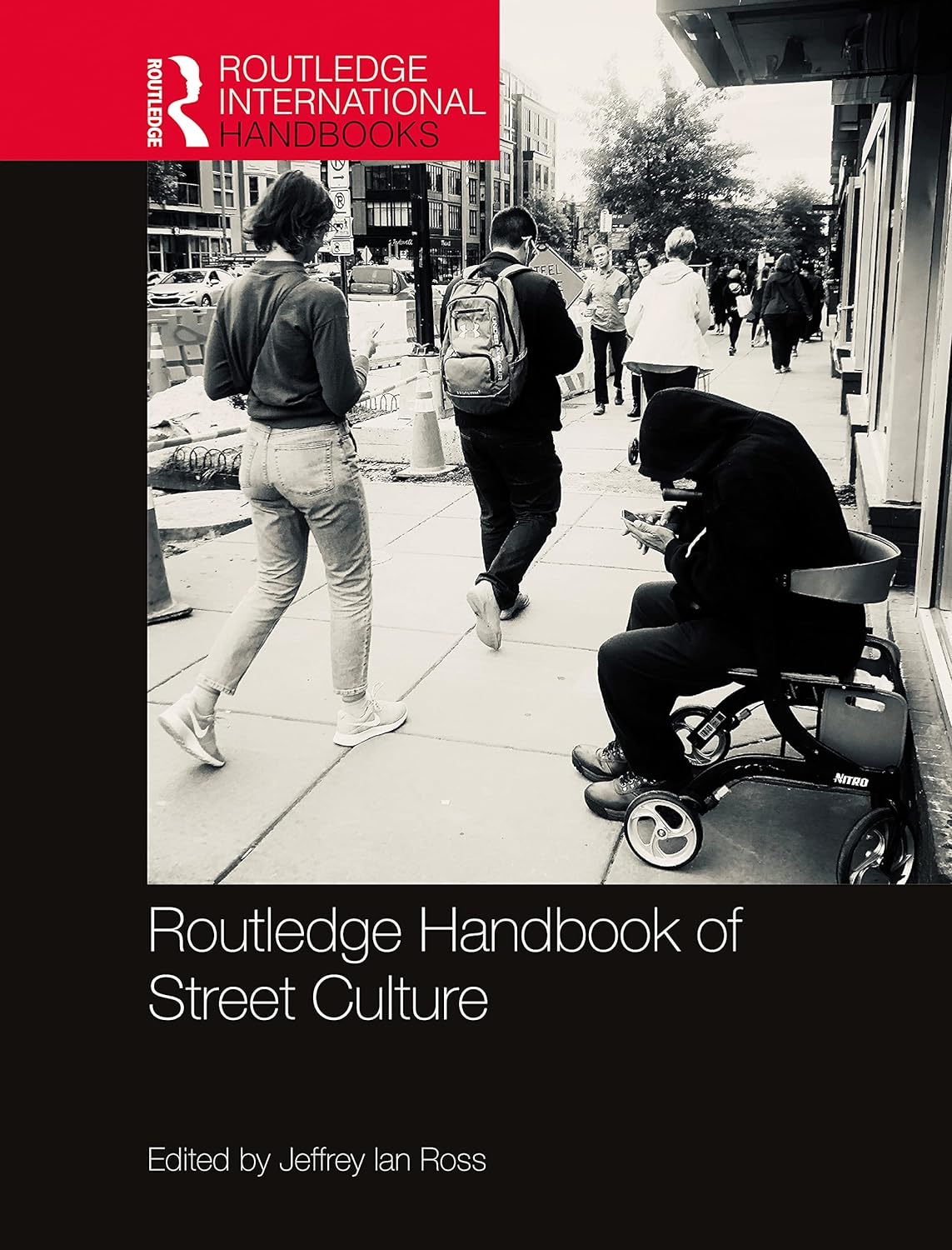
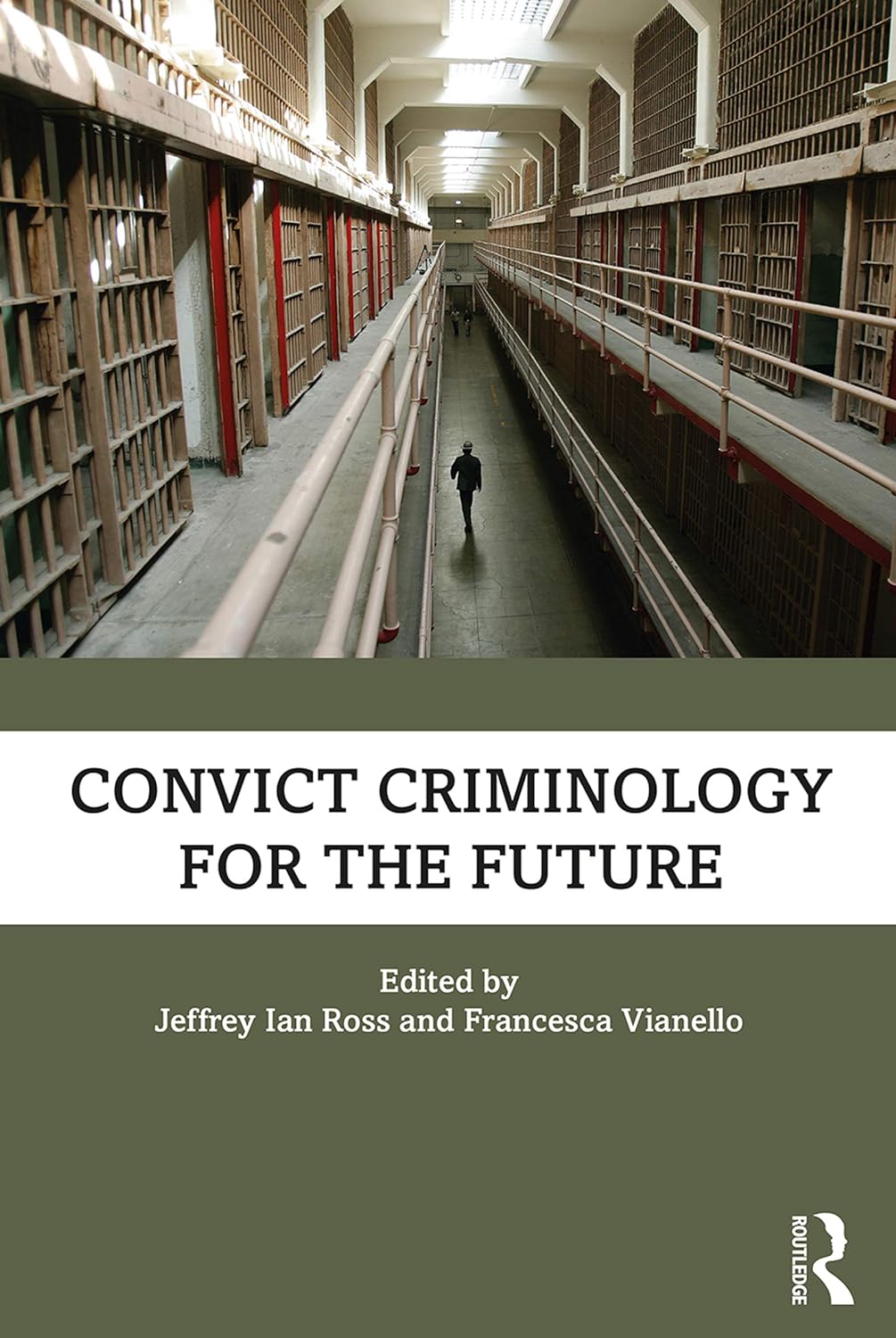
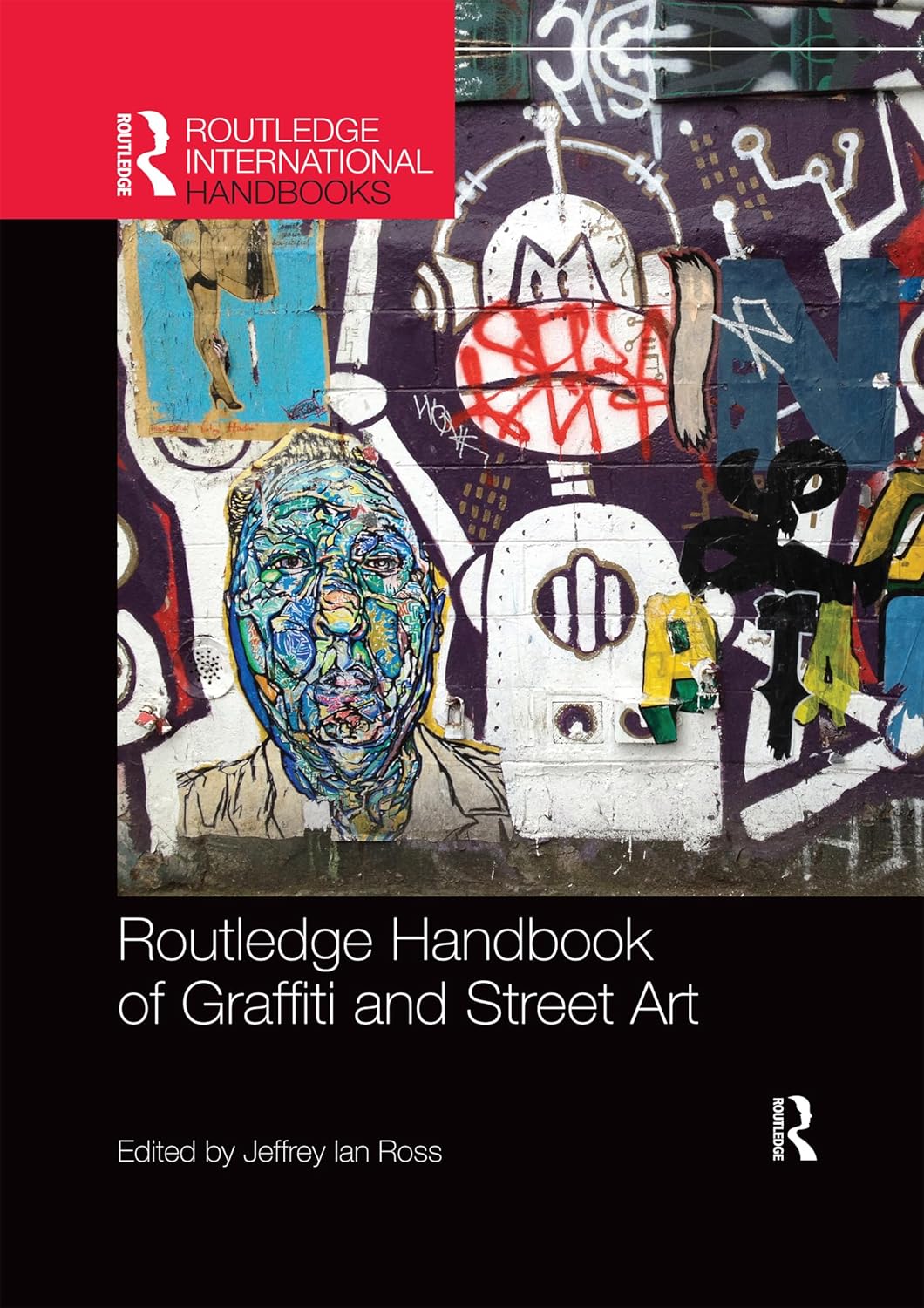
Jeffrey Ian Ross, Ph.D., is a criminologist at the University of Baltimore and co-founder of Convict Criminology. His approach is shaped by nearly a decade of work before entering academia, as a courier, cab driver, corrections worker, and union shop steward. It is further grounded in three decades of visiting correctional facilities across North America, Europe, and South America, researching the conditions inside them, and having conversations with convicts and correctional officers and administrators. It also draws on interviews with formerly incarcerated people outside those facilities, and on ethnographic fieldwork on street culture and on graffiti and street art internationally. Ross has published more than thirty books and shares his expertise on corrections, policing, political crime, street culture, and graffiti and street art through scholarship, public writing, speaking, media commentary, and consulting.



Taking stock of the scholarly study of graffiti and street art
/by Jeffrey Ian RossThe streets, utility poles, and back alleys of large urban centers in most big cities are epicenters for all manner of graffiti and street art. Predictably this activity engenders lots of responses. Notwithstanding the longstanding desire by property owners, ghost buffers, and moral entrepreneurs to deter this activity and remove this work from the surfaces […]
In Praise of Back Alley Mechanics
/by Jeffrey Ian RossIn bustling urban environments various businesses exist, each selecting the locations where to operate based on factors like rent, profitability, and access to customers, suppliers, workers etc.. In addition to the more well-known and visible commercial entities (such as retail establishments), numerous service and manufacturing businesses operate in less conspicuous areas—industrial/office parks, suburbs, on the […]
Should Criminologists partner with local Criminal Justice Agencies to conduct research?
/by Jeffrey Ian RossOne of the many questions Criminologists have, especially those aspiring to become university professors, is should they conduct research in collaboration with local criminal justice organizations? Satisfactorily answering this question is difficult and there is neither a single, nor a simple answer. Why? There are lots of conflicting messages that Criminologists are given and trying […]