



Latest Blog Posts
About
Criminologist, Scholar, & Consultant

Jeffrey Ian Ross, Ph.D., is a criminologist at the University of Baltimore and co-founder of Convict Criminology. His approach is shaped by nearly a decade of work before entering academia, as a courier, cab driver, corrections worker, and union shop steward. It is further grounded in three decades of visiting correctional facilities across North America, Europe, and South America, researching the conditions inside them, and having conversations with convicts and correctional officers and administrators. It also draws on interviews with formerly incarcerated people outside those facilities, and on ethnographic fieldwork on street culture and on graffiti and street art internationally. Ross has published more than thirty books and shares his expertise on corrections, policing, political crime, street culture, and graffiti and street art through scholarship, public writing, speaking, media commentary, and consulting.



Choose wisely my friend. Just because a state’s tax rate and cost of living is low doesn’t mean it’s great place to live or move to
/by Jeffrey Ian RossOne of the numerous benefits of living in the US is that it’s a big country, and if you don’t like where you are currently living, or the location doesn’t provide you with the things you need, want, or desire, then all things being equal, you have the freedom to move. This is especially true […]
Who’s teaching this college course anyways? And why does it matter?
/by Jeffrey Ian RossOver the past few years, COVID-19 has had significantly affected community college, liberal arts college, and university instruction. Many institutions of higher education have pivoted to on-line and hybrid instruction. With the introduction of the vaccine, mask mandates, testing, and hygiene theatre during the past few semesters, there was an assumption that by the Spring […]
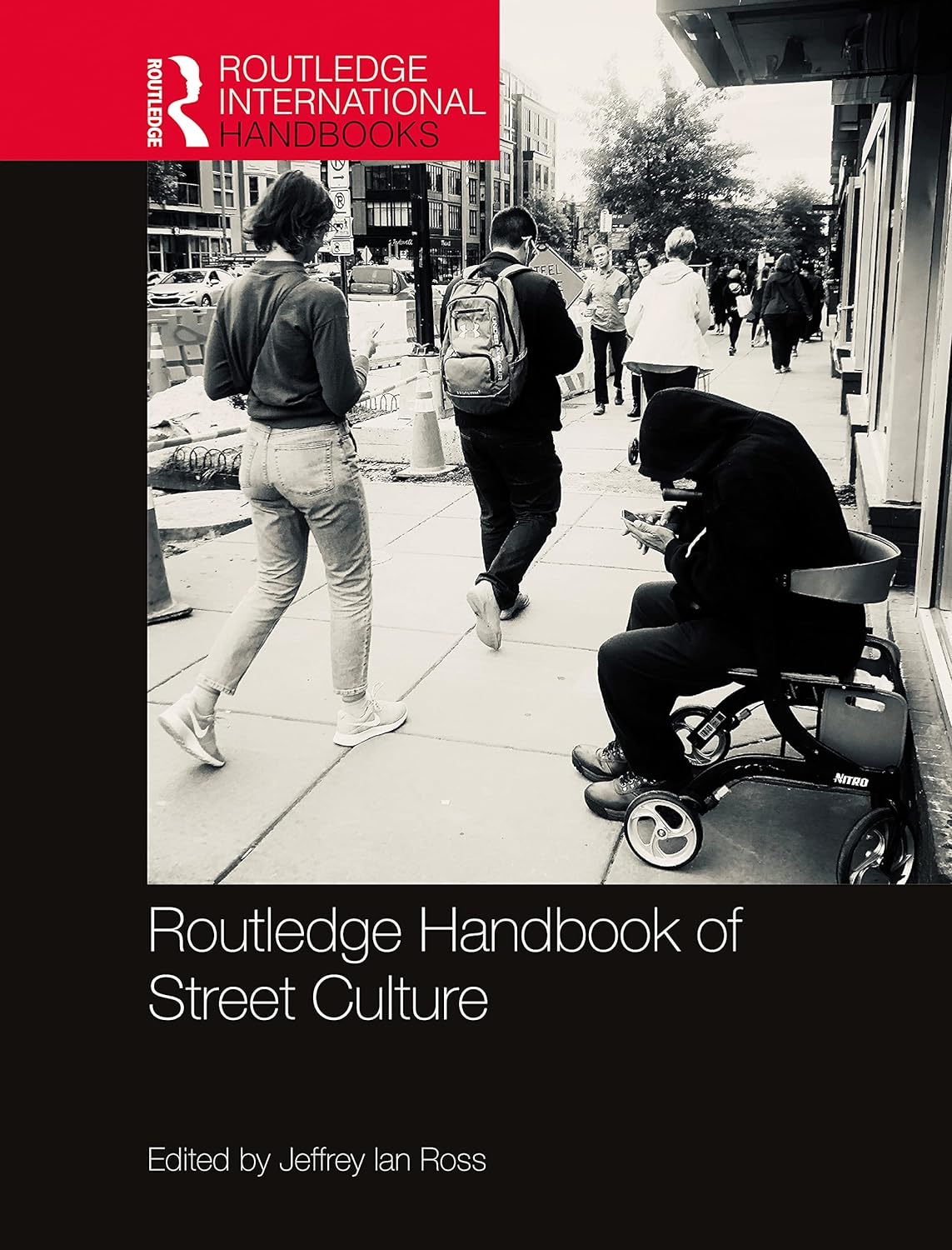
The downsides of commodifying Street Culture
/by Jeffrey Ian RossIn general, if someone or an organization like a business, can make a buck they will. From the agricultural to utility sectors, this approach is the backbone of capitalism. Recently, this phenomenon has been increasingly visible in the field, actions, and products produced in the realm of street culture (i.e., the beliefs, dispositions, ideologies, informal […]