

Latest Blog Posts
About
Criminologist, Scholar, & Consultant

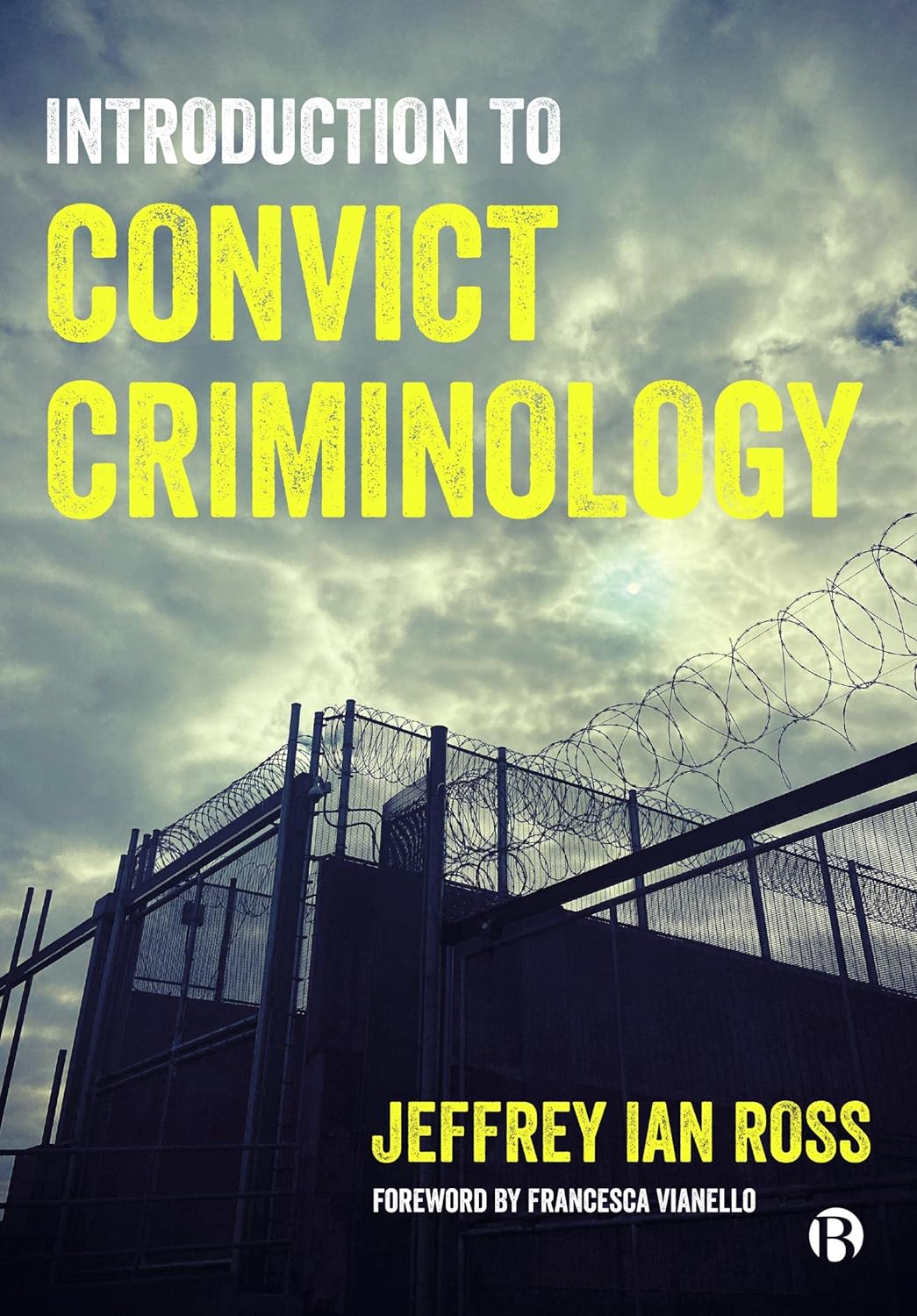
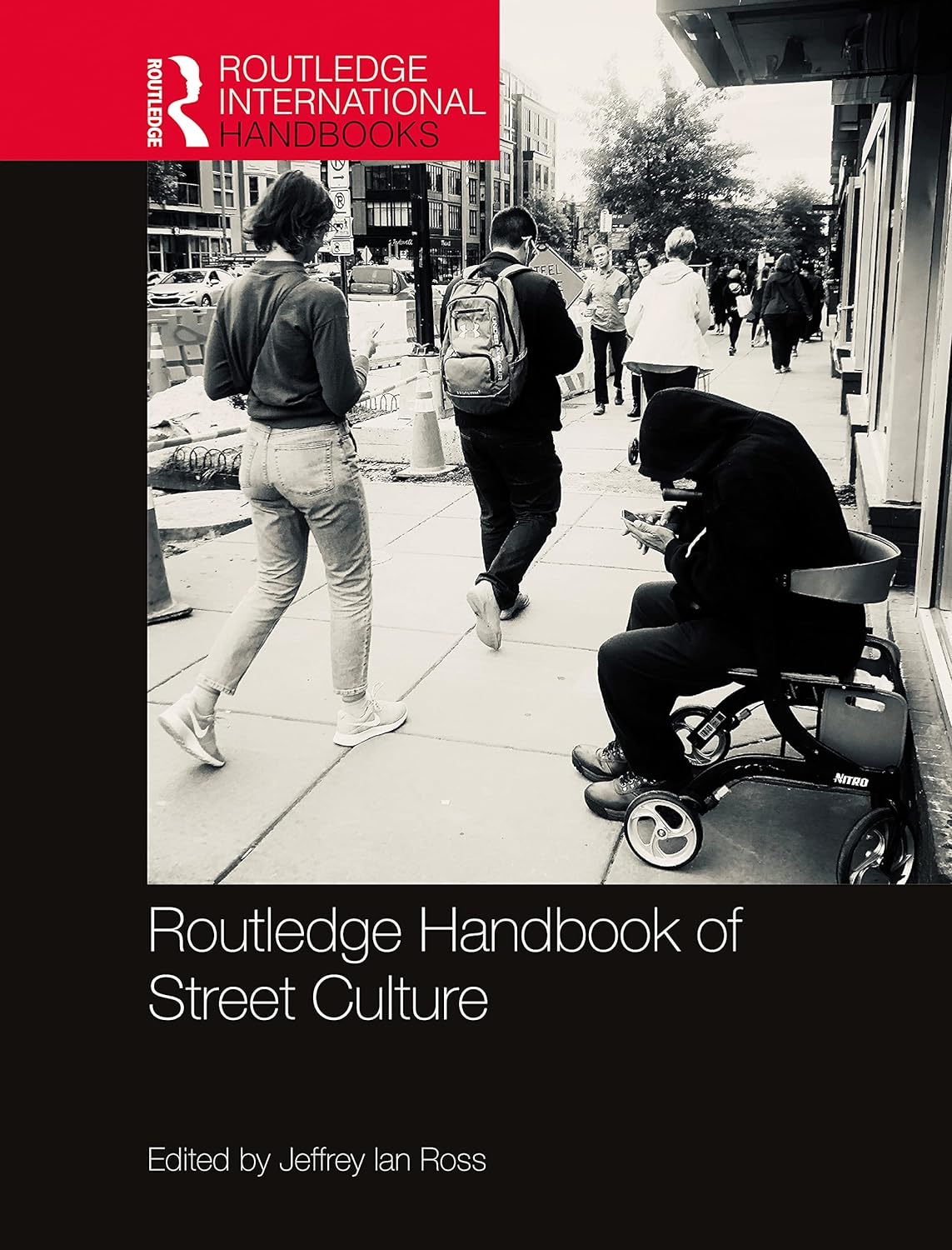
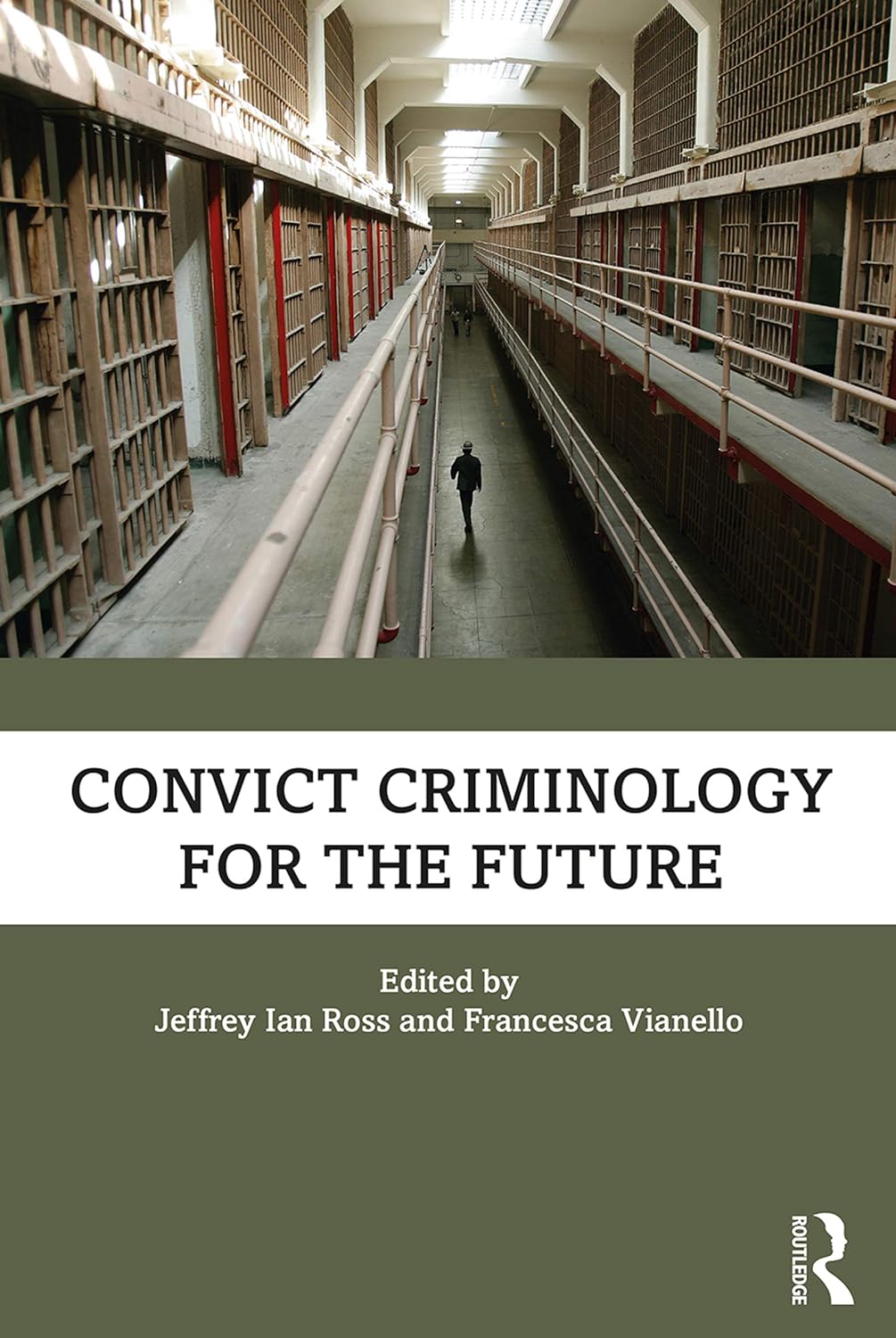
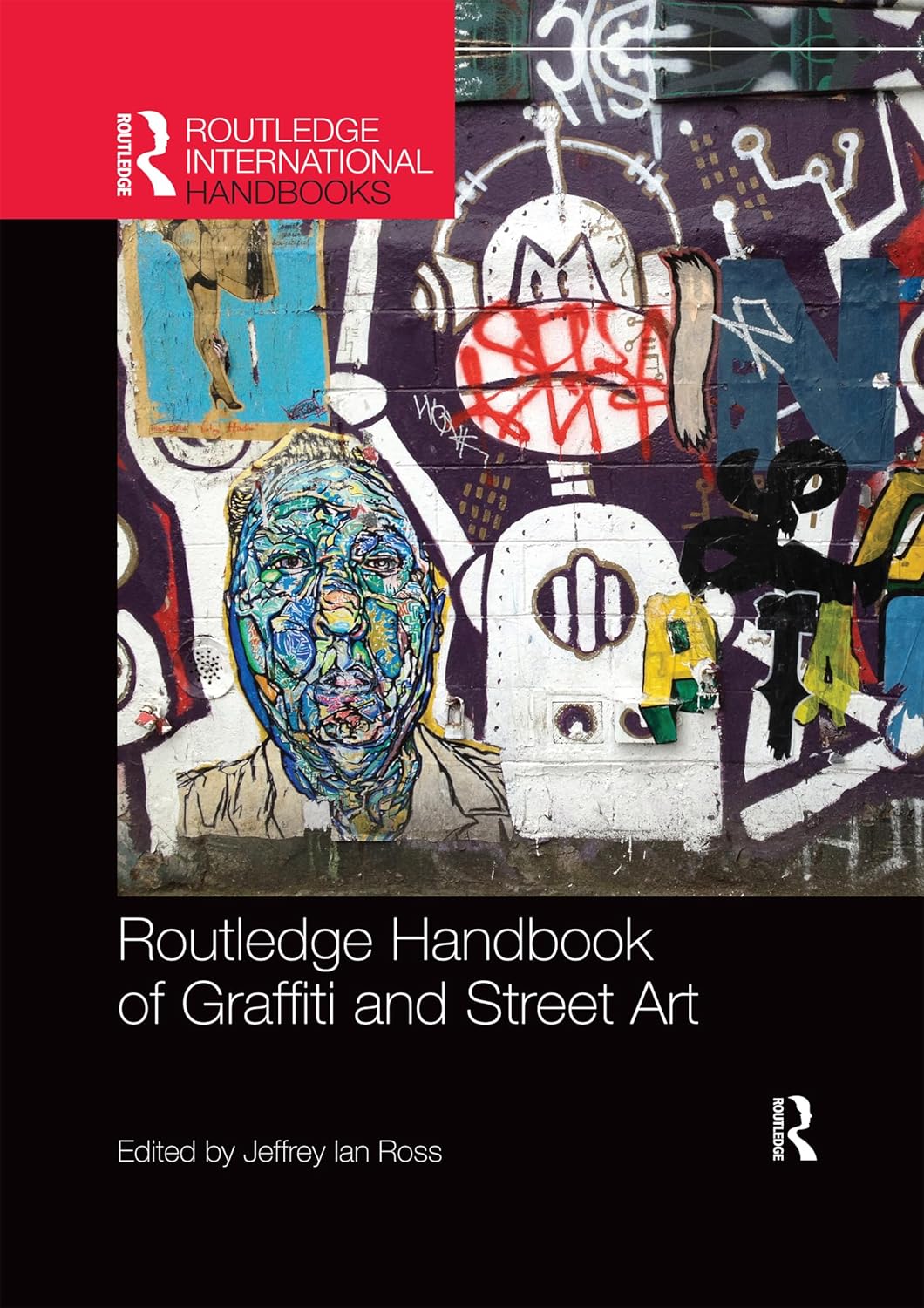
Jeffrey Ian Ross, Ph.D., is a criminologist at the University of Baltimore and co-founder of Convict Criminology. His approach is shaped by nearly a decade of work before entering academia, as a courier, cab driver, corrections worker, and union shop steward. It is further grounded in three decades of visiting correctional facilities across North America, Europe, and South America, researching the conditions inside them, and having conversations with convicts and correctional officers and administrators. It also draws on interviews with formerly incarcerated people outside those facilities, and on ethnographic fieldwork on street culture and on graffiti and street art internationally. Ross has published more than thirty books and shares his expertise on corrections, policing, political crime, street culture, and graffiti and street art through scholarship, public writing, speaking, media commentary, and consulting.


Why Shoveling Your Car out of the Snow Doesn’t Create Parking Rights (But Feels Like It Should)
/by Jeffrey Ian RossAfter heavy snowfalls in American cities, people dig out their parked cars, and some try to “hold” the cleared space with lawn chairs, trash cans, traffic cones, etc. The logic is familiar: I did the work, so I should get the benefit. Last week, my neighborhood listserv lit up with complaints from people who had […]
Demystifying Visiting Scholar Positions
/by Jeffrey Ian RossPeriodically, academics seek and are given the title of visiting scholar. The designation sounds formal and flattering, and for many people it carries a great deal of symbolic weight. But there is considerable variation and confusion surrounding these types of arrangements. In general, visiting scholar positions are courtesy appointments. Sometimes, a visiting scholar position is […]
Whitewashing a Myth about Graffiti Abatement
/by Jeffrey Ian RossThis past weekend, I saw The Honey Trap. The play centers on a former British soldier who lost a close friend during the Troubles in Northern Ireland. Years later, while participating in an oral history project, he gains access to interview tapes and discovers that one of the interviewees may have been involved in setting […]