

Latest Blog Posts
About
Criminologist, Scholar, & Consultant

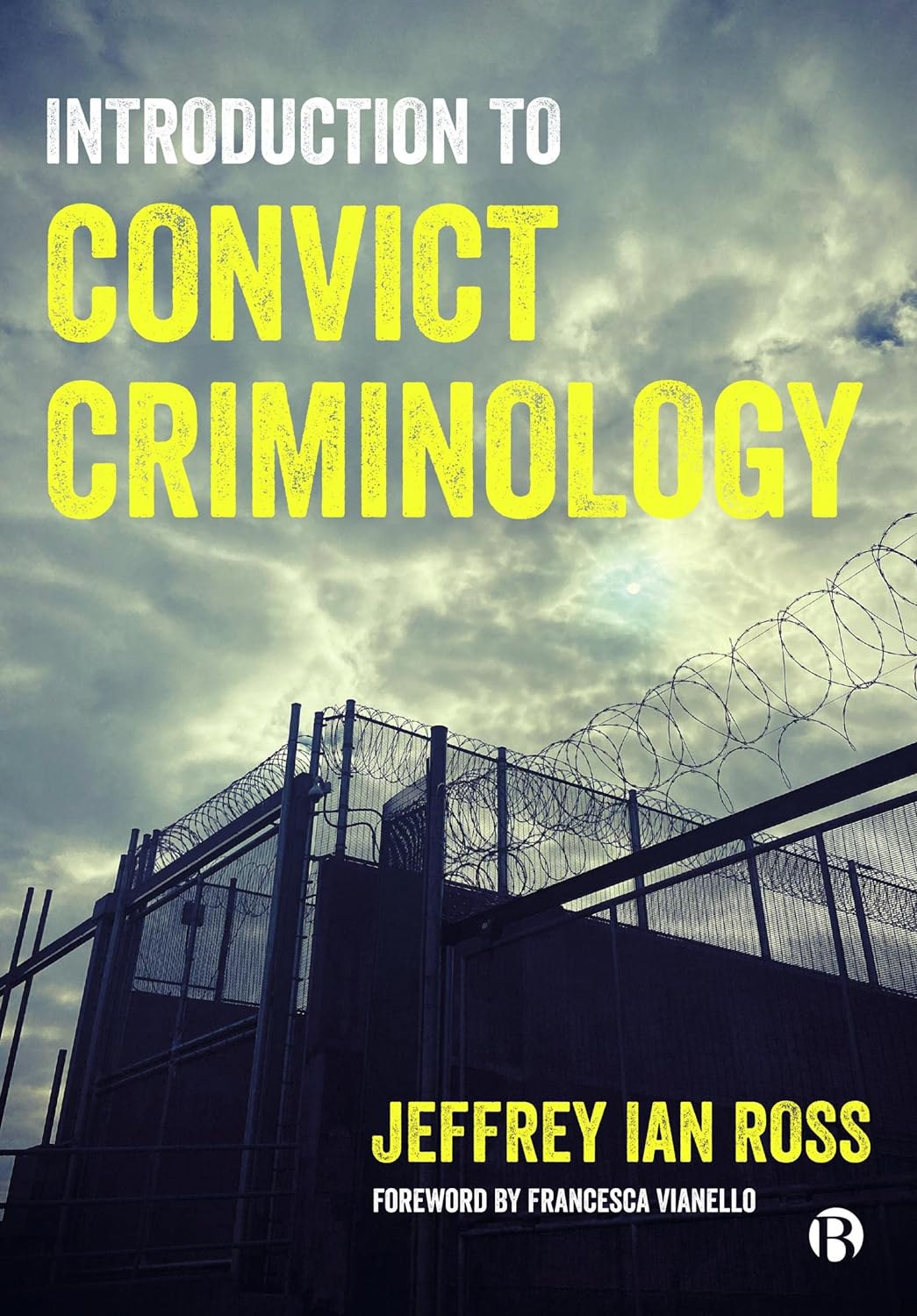
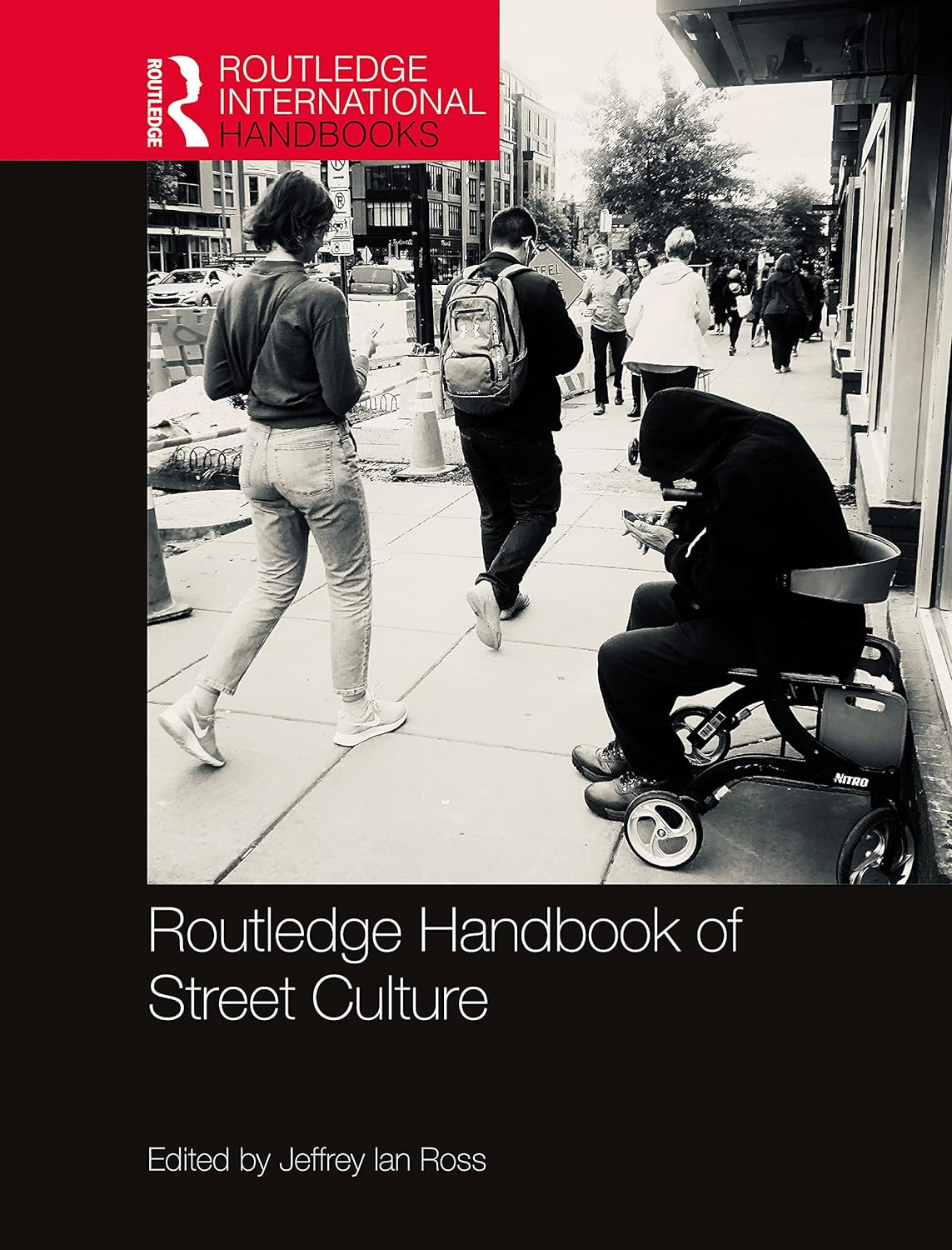
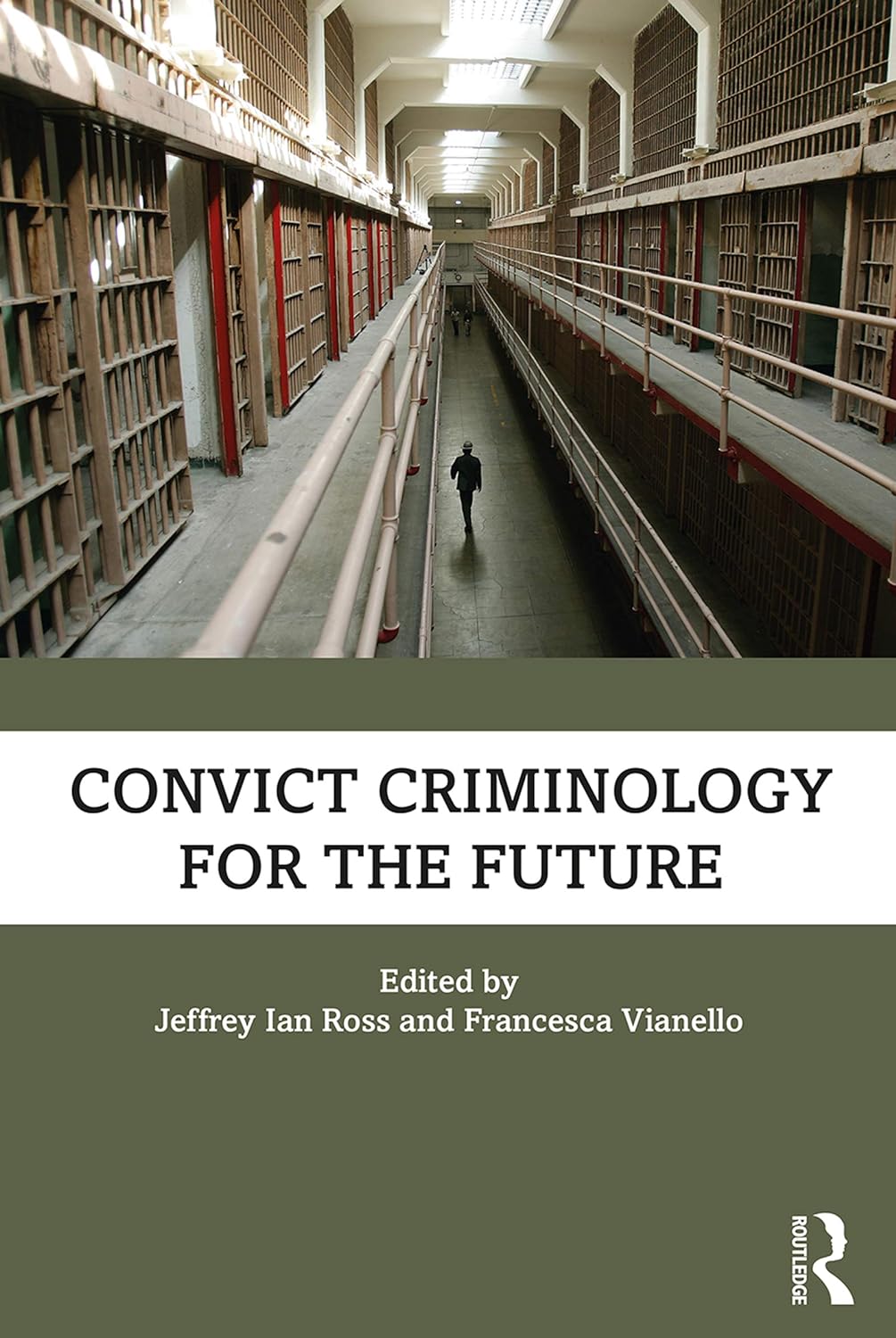
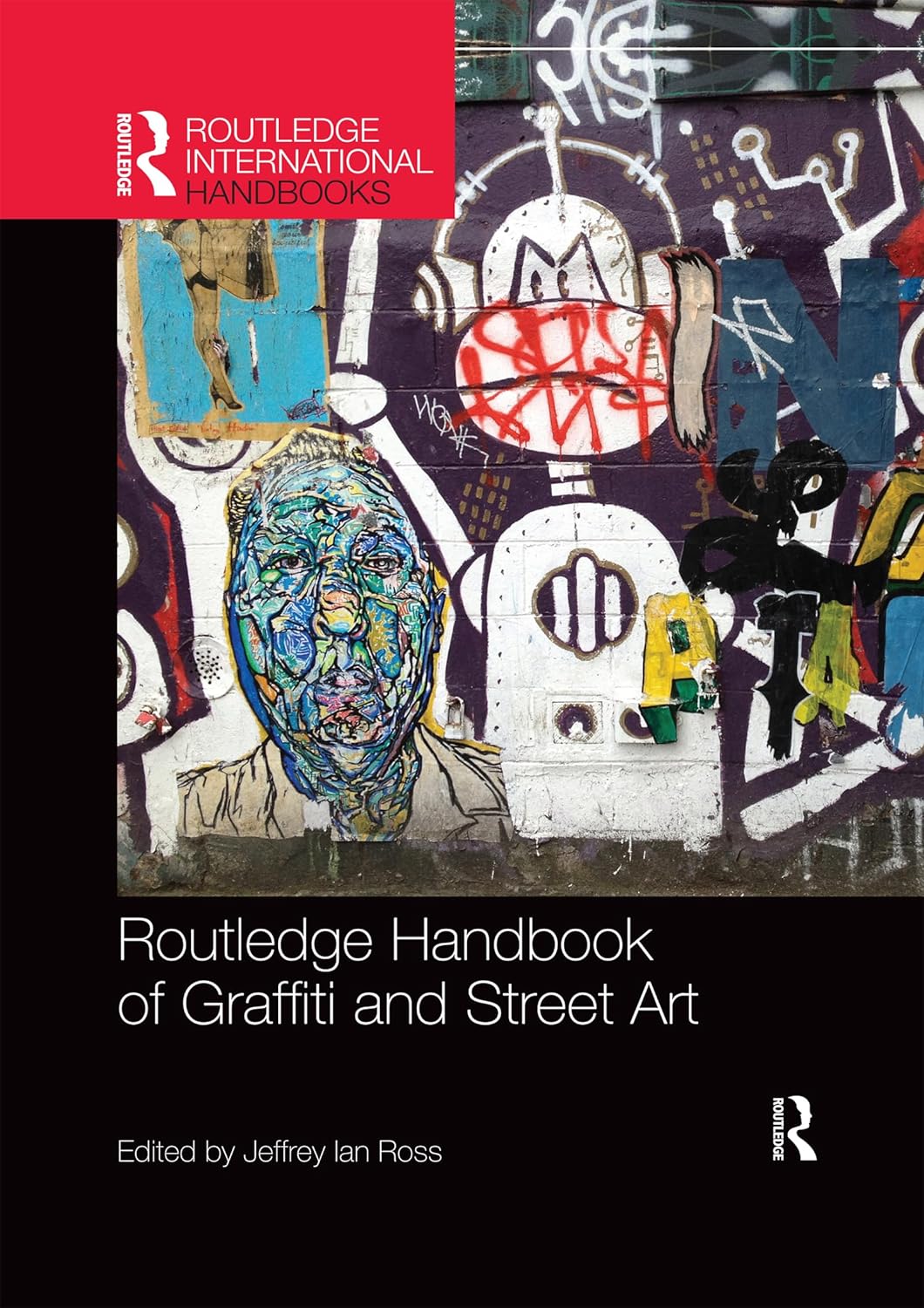
Jeffrey Ian Ross, Ph.D., is a criminologist at the University of Baltimore and co-founder of Convict Criminology. His approach is shaped by nearly a decade of work before entering academia, as a courier, cab driver, corrections worker, and union shop steward. It is further grounded in three decades of visiting correctional facilities across North America, Europe, and South America, researching the conditions inside them, and having conversations with convicts and correctional officers and administrators. It also draws on interviews with formerly incarcerated people outside those facilities, and on ethnographic fieldwork on street culture and on graffiti and street art internationally. Ross has published more than thirty books and shares his expertise on corrections, policing, political crime, street culture, and graffiti and street art through scholarship, public writing, speaking, media commentary, and consulting.


How to Think Like a Criminologist
/by Jeffrey Ian RossThere’s a big gap between what the general public thinks criminologists do and what we actually do. Most people assume we work in forensics, consult on detective cases, or spend our days profiling serial killers. That’s understandable. The media leans hard into that image, and some criminologists do work in forensic-adjacent fields. But I’m an […]
After Three Decades, Here’s What I Wish Someone Had Told Me
/by Jeffrey Ian RossFor nearly 30 years, students and early-career academics have asked me the same questions about building a career in academic criminology: How do you choose a research agenda? How do you navigate tenure? How do you balance teaching, research, and service? What works? What doesn’t? I’ve answered these questions in office hours, at conferences, over […]
How U.S. Federal Prisons Fail International Human Rights Standards
/by Jeffrey Ian RossMy recent article, published in The Prison Journal, documents how the United States Federal Bureau of Prisons (FBOP) violates the Nelson Mandela Rules. These standards, adopted by the United Nations in 2015, outline the international minimum standards for humane detention. Drawing on government reports, bipartisan congressional investigations, peer-reviewed research, and investigative journalism, the study identifies […]