After Three Decades, Here’s What I Wish Someone Had Told Me
For nearly 30 years, students and early-career academics have asked me the same questions about building a career in academic criminology: How do you choose a research agenda? How do you navigate tenure? How do you balance teaching, research, and service? What works? What doesn’t?
I’ve answered these questions in office hours, at conferences, over coffee, and in email threads. But I’ve also asked my own questions of mentors, colleagues, administrators, and fellow criminologists at different career stages. Those conversations shaped how I understood the field and navigated my own career.
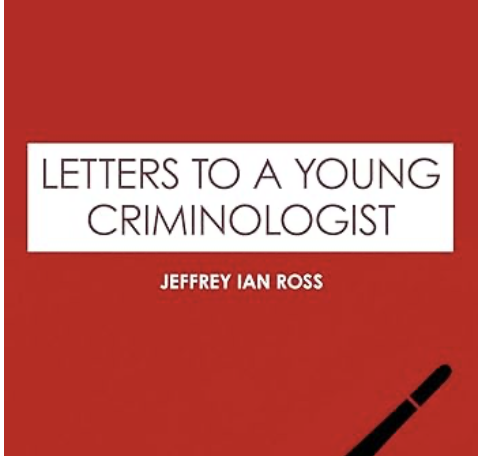
Letters to a Young Criminologist collects what I’ve learned from three decades as a corrections worker, government researcher, and academic criminologist. It offers the practical advice I wish someone had given me when I started, and the insights I gained from asking questions of people who’d already been through it.
The book is written mostly for undergraduate students, graduate students, and early-career academics in criminology and criminal justice. But it’s also relevant to practitioners in law enforcement, corrections, probation, parole, and the courts who are considering academic work or want to understand how the academic side of the field operates.
It’s not theory. It’s practical guidance drawn from experience, research, and hundreds of conversations, both the questions I’ve been asked and the ones I’ve asked others.
If you’re navigating an academic criminology career or thinking about starting one, this book is meant for you.
Letters to a Young Criminologist is available April 17, 2026.