

Latest Blog Posts
About
Criminologist, Scholar, & Consultant

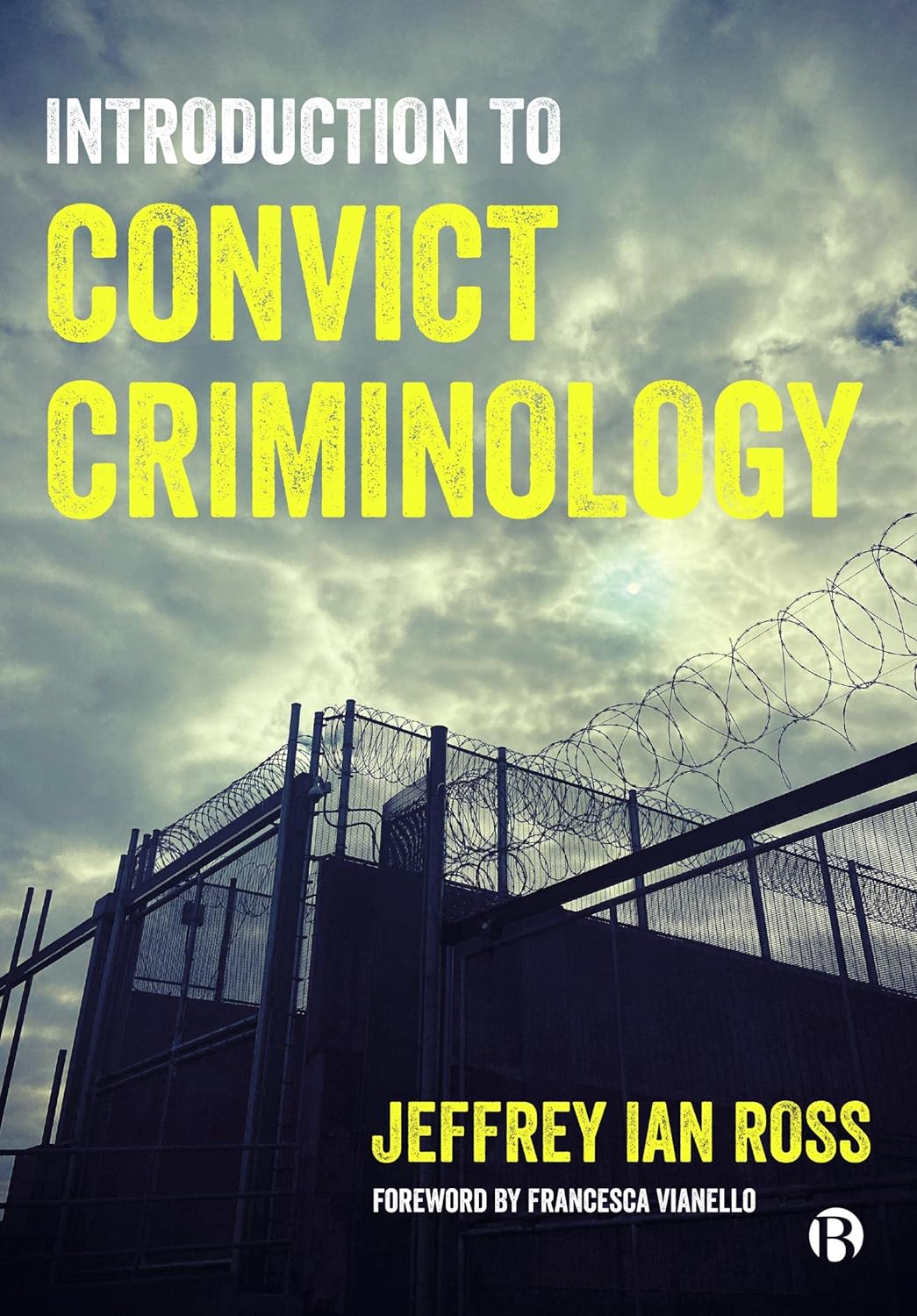
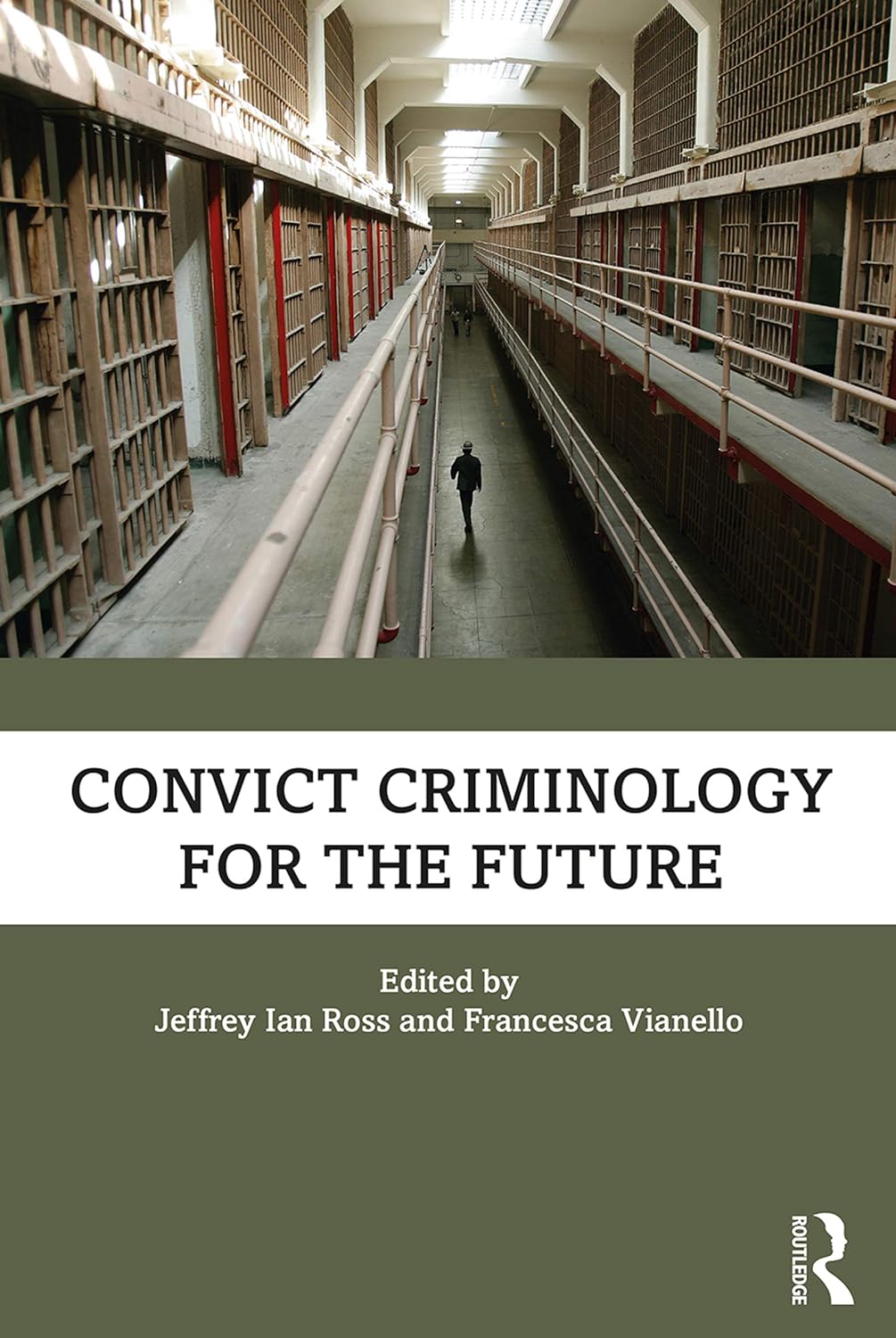
Jeffrey Ian Ross, Ph.D., is a criminologist at the University of Baltimore and co-founder of Convict Criminology. His approach is shaped by nearly a decade of work before entering academia, as a courier, cab driver, corrections worker, and union shop steward. It is further grounded in three decades of visiting correctional facilities across North America, Europe, and South America, researching the conditions inside them, and having conversations with convicts and correctional officers and administrators. It also draws on interviews with formerly incarcerated people outside those facilities, and on ethnographic fieldwork on street culture and on graffiti and street art internationally. Ross has published more than thirty books and shares his expertise on corrections, policing, political crime, street culture, and graffiti and street art through scholarship, public writing, speaking, media commentary, and consulting.



How can researchers improve street ethnographies?
/by Jeffrey Ian RossOver the past century, a considerable amount of ethnographic research has been conducted and published. Ethnographies are no longer the primary research technique of anthropologists, as other types of social scientists, and students and scholars of business, law, and technology are also doing this kind of work too. Moreover, there are numerous types of ethnography […]
What’s in a name? Exconvict, formerly incarcerated, or returning citizen?
/by Jeffrey Ian RossIn the field of corrections, there are lots of labels, names, and terms (many that I dislike) that the public frequently applies to people who are housed in, live in, and are processed by jails and prison. These terms are frequently used in a simplistic and dehumanizing manner. Take for example, the word offender. I […]
What explains the 2020 spike in murders in the United States?
/by Jeffrey Ian RossLast week the Federal Bureau of Investigation released the most recent crime statistics and it revealed a surprising finding; the number of murders (21,500) which occurred last year (2020) was the highest it has ever been since 1960. Meanwhile, most other crimes, for which data is systematically collected, decreased. Keep in mind that last year […]