

Latest Blog Posts
About
Criminologist, Scholar, & Consultant

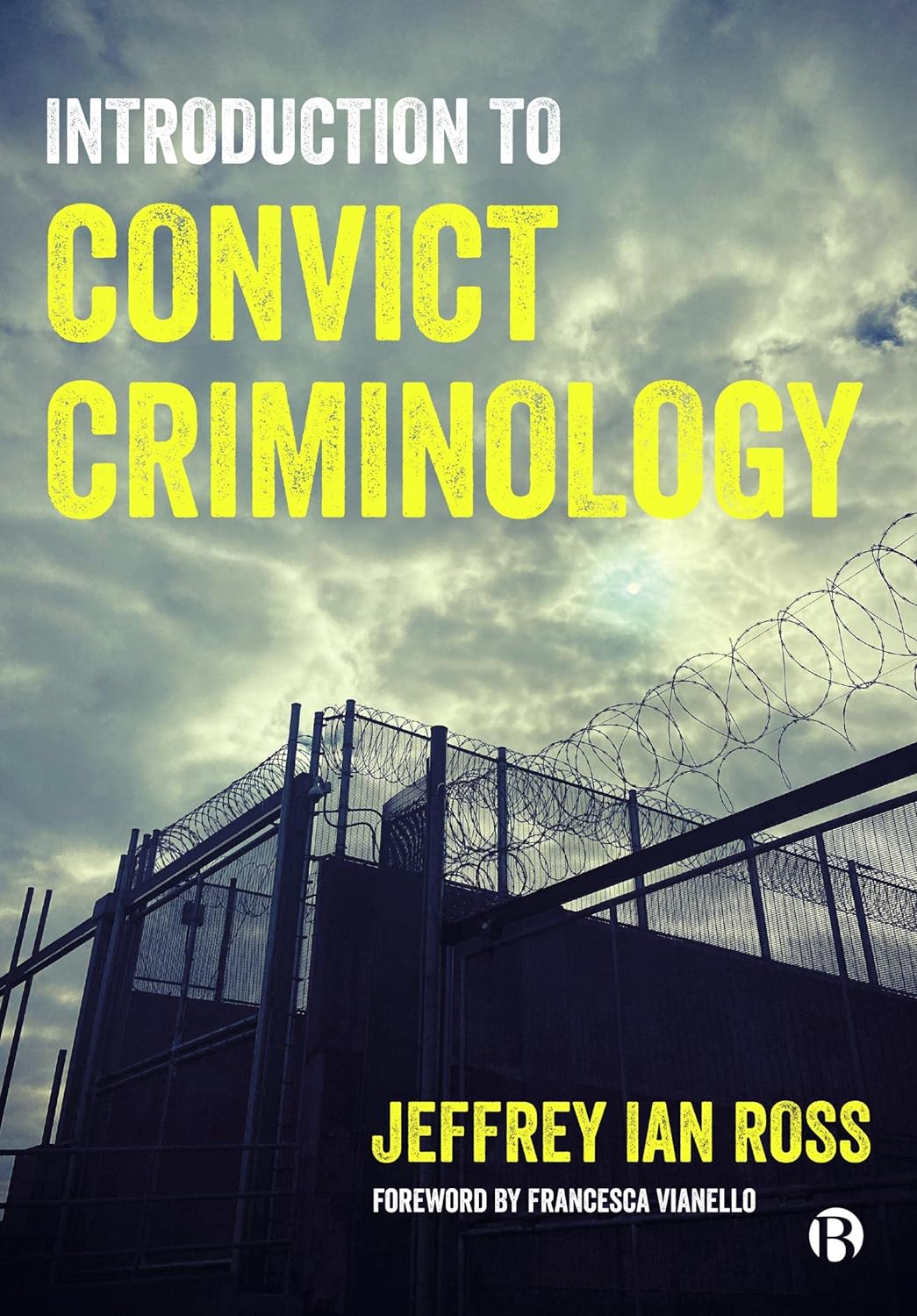
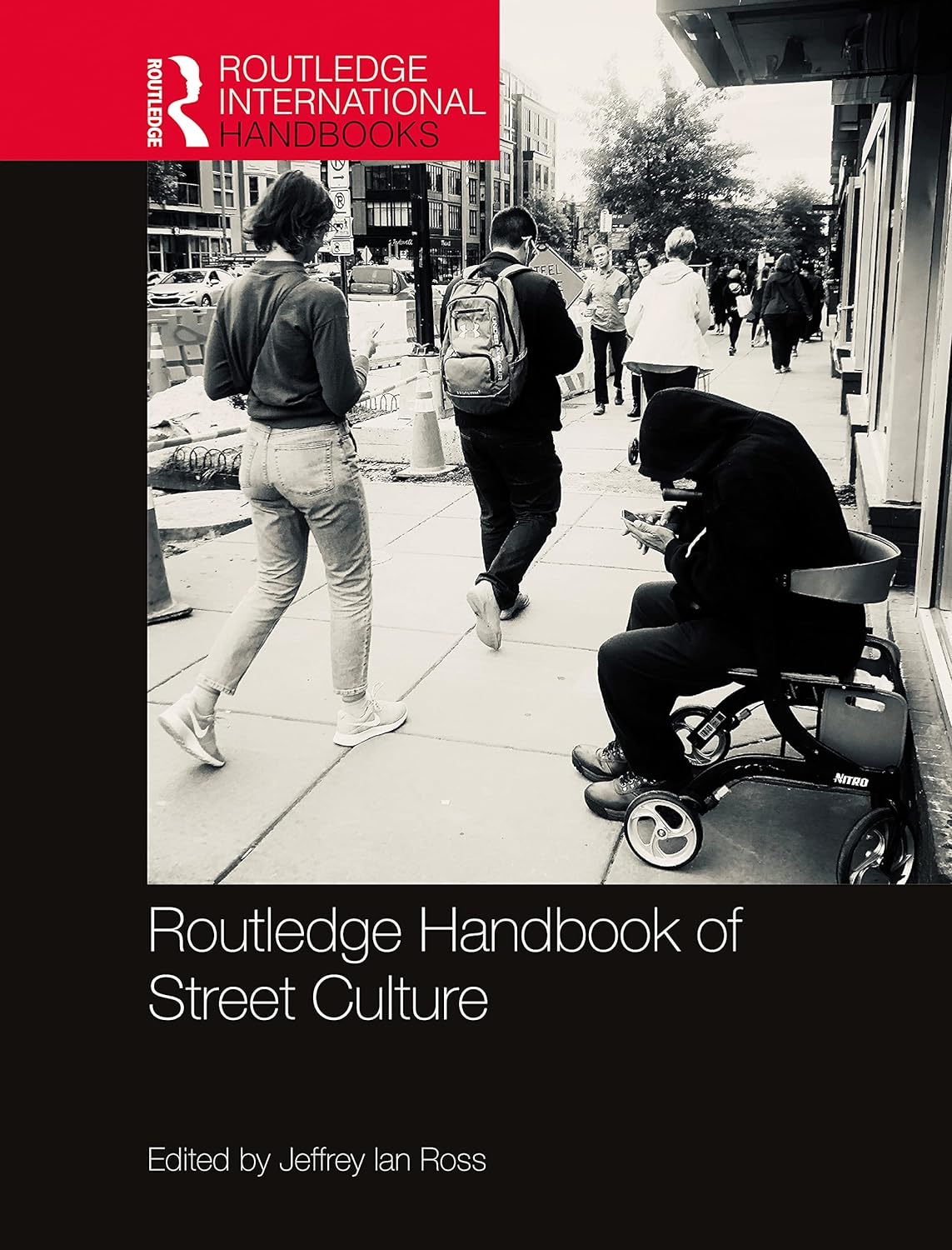
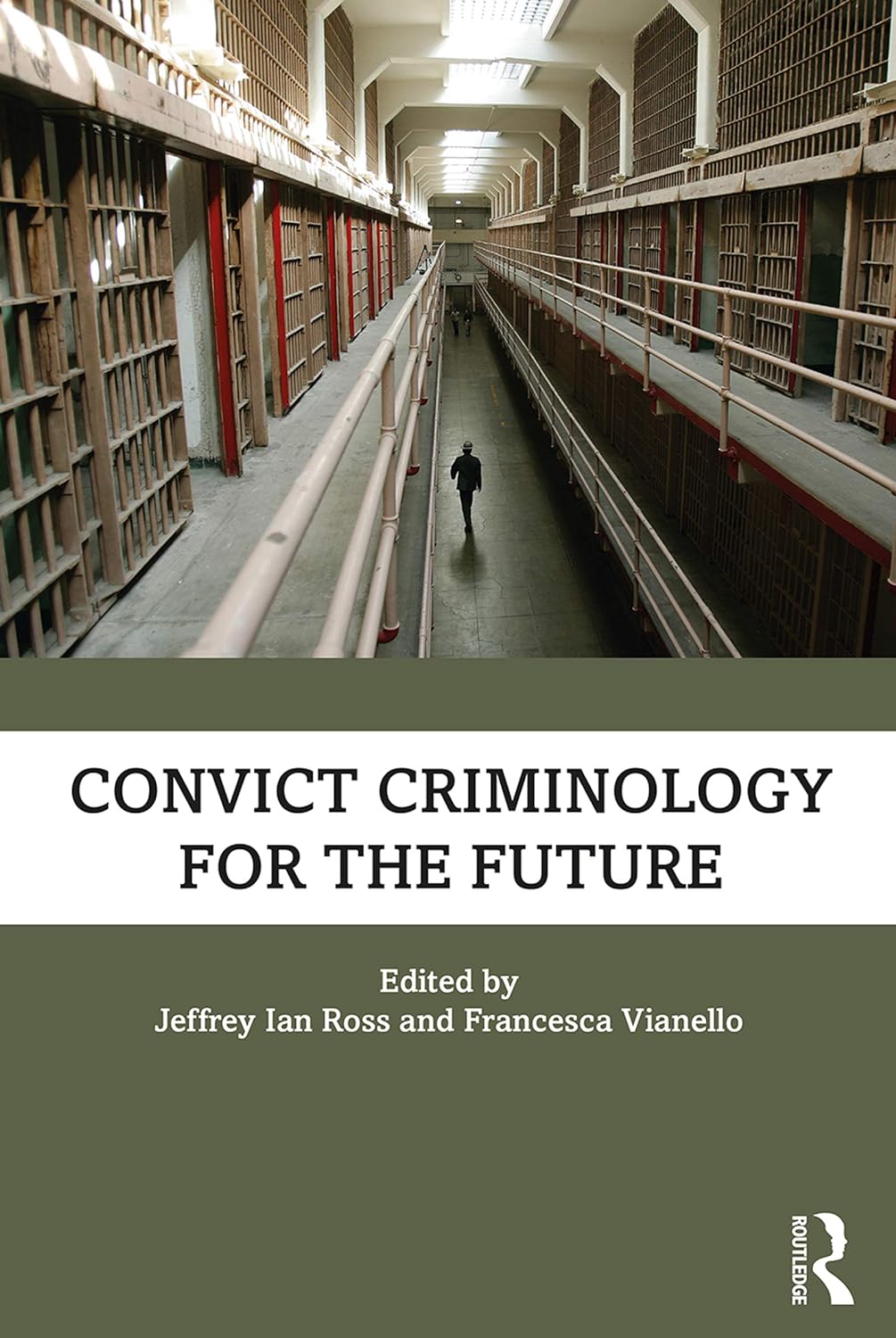
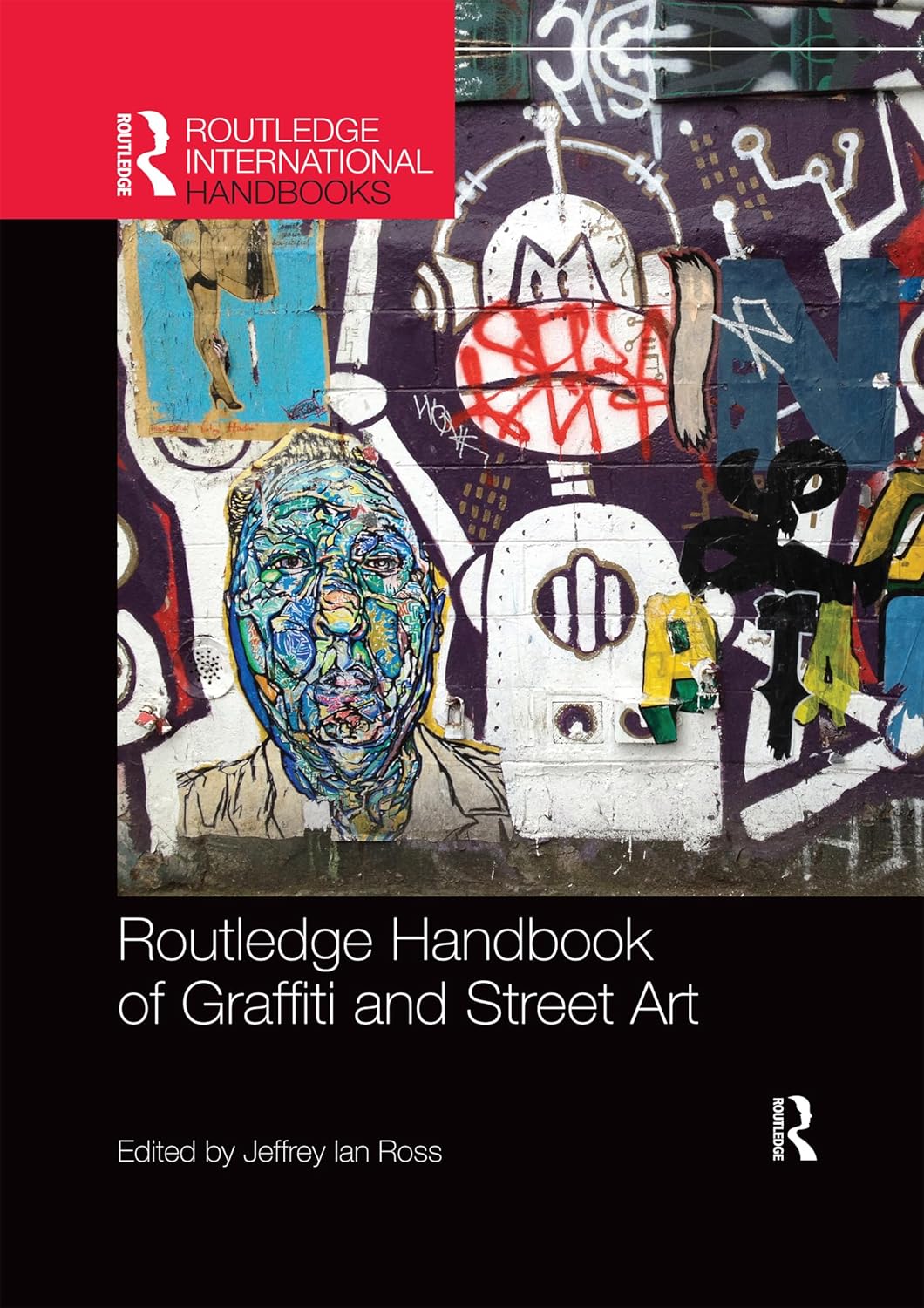
Jeffrey Ian Ross, Ph.D., is a criminologist at the University of Baltimore and co-founder of Convict Criminology. His approach is shaped by nearly a decade of work before entering academia, as a courier, cab driver, corrections worker, and union shop steward. It is further grounded in three decades of visiting correctional facilities across North America, Europe, and South America, researching the conditions inside them, and having conversations with convicts and correctional officers and administrators. It also draws on interviews with formerly incarcerated people outside those facilities, and on ethnographic fieldwork on street culture and on graffiti and street art internationally. Ross has published more than thirty books and shares his expertise on corrections, policing, political crime, street culture, and graffiti and street art through scholarship, public writing, speaking, media commentary, and consulting.


What’s the Role of Belonging in Urban Environments?
/by Jeffrey Ian RossIn most urban settings, a sense of belonging is an important foundation for political participation. Political participation (also referred to as political engagement/mobilization) includes actions that are designed to express, claim, maintain, or expand individual and community justice, legitimacy, or power. And by belonging, I’m not simply talking about attachment, social connection, or loyalty, but […]
Parking as a Microcosm of Broader Urban Struggles
/by Jeffrey Ian RossParking, often treated as a mundane logistical concern, is an important site of contestation in urban life. At its core, it reflects the struggle over public space in cities, where demand routinely exceeds supply. Although debates about cars usually focus on externalities like emissions or their dominance over other modes of urban mobility, vehicles need […]
Rethinking the Subway Sandwich Guy Incident
/by Jeffrey Ian RossA little over two weeks ago, Sean Charles Dunn, a 37-year-old paralegal, who has since been fired from the United States Department of Justice, hurled a Subway sandwich at a Customs and Border Protection agent on 14th Street in Washington, D.C. The video of the incident spread quickly, and media coverage followed a predictable script: […]